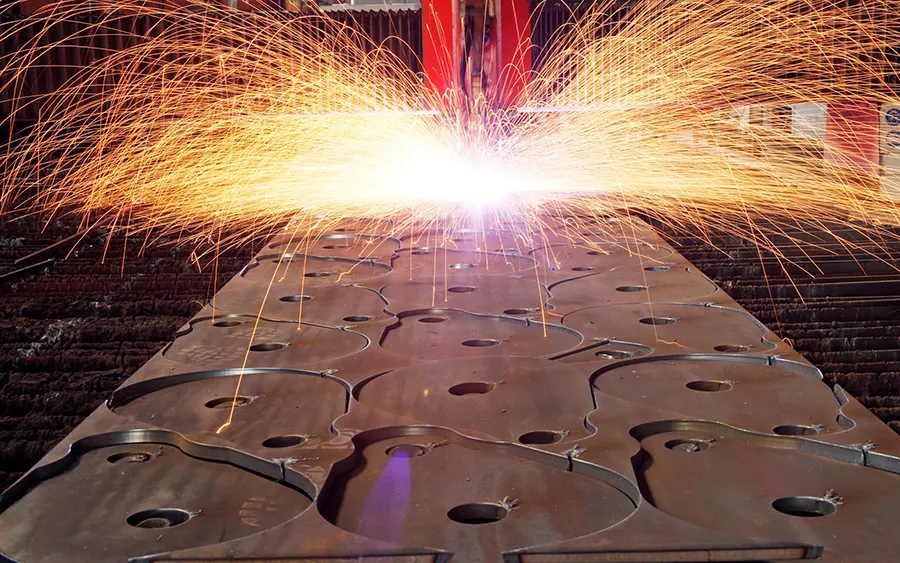
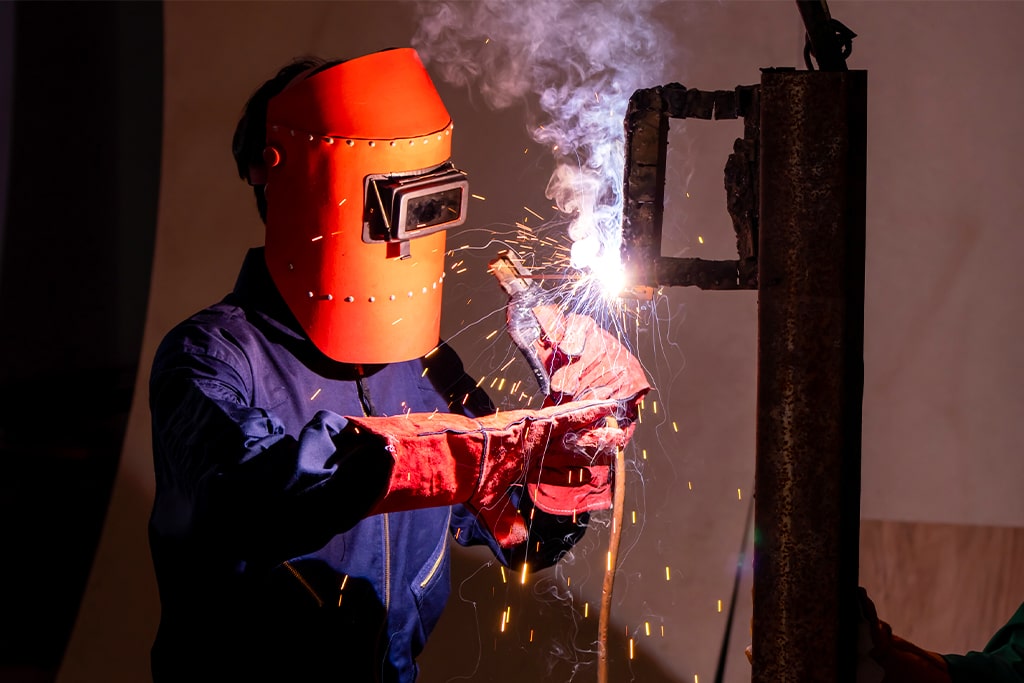
Technologies like plasma, laser and oxy-cutting are developed to cut the sheet metal plates into workpieces. To do that, the torch in the thermal cutting machines needs to provide intense heat to cut the sheet metal plates. This intense heat melts and vaporizes the workpiece material.
When the cutting temperature exceeds the boiling point of the material, it causes metals (like iron, zinc, or chromium) to vaporize into a fine mist. As the vapor cools rapidly in the air, it condenses into solid particles, forming submicron metal oxides. The presence of oxygen during plasma or laser cutting leads to exothermic oxidation. For example, iron reacts with oxygen to form iron oxide particles, contributing to fume emissions.
The amount of dust and fume is determined by several factors such as type of workpiece, thickness of workpiece, cutting power etc. However, the extraction capacity depends on different factors such as cutting machine bed design, dampers’ air tightness etc.
Selecting the appropriate filtration system for thermal cutting processes is critical for ensuring operational safety and efficiency. Here’s what to consider:
Particle Size and Filtration Efficiency: Thermal cutting produces fine particles and gases. Use high-efficiency filters, to capture submicron metal fumes effectively.
Type of Material and Emissions: Different materials (e.g., stainless steel, aluminum, mild steel) release different pollutants. Additionally, residual oil on the surface of the material can evaporate during operation, leading to rapid clogging of standard filters. Ensure the filtration system is designed for the specific contaminants your process generates.
Fire Safety Measures: Thermal cutting generates sparks and hot particles. Additionally, splatters generated during the cutting of thick materials can be captured by the extraction system. Choose filtration systems with fire prevention features, such as spark arrestors or integrated fire suppression systems. Please note that when cutting materials thicker than 10 mm or any thickness of aluminum, additional precautions should be taken.
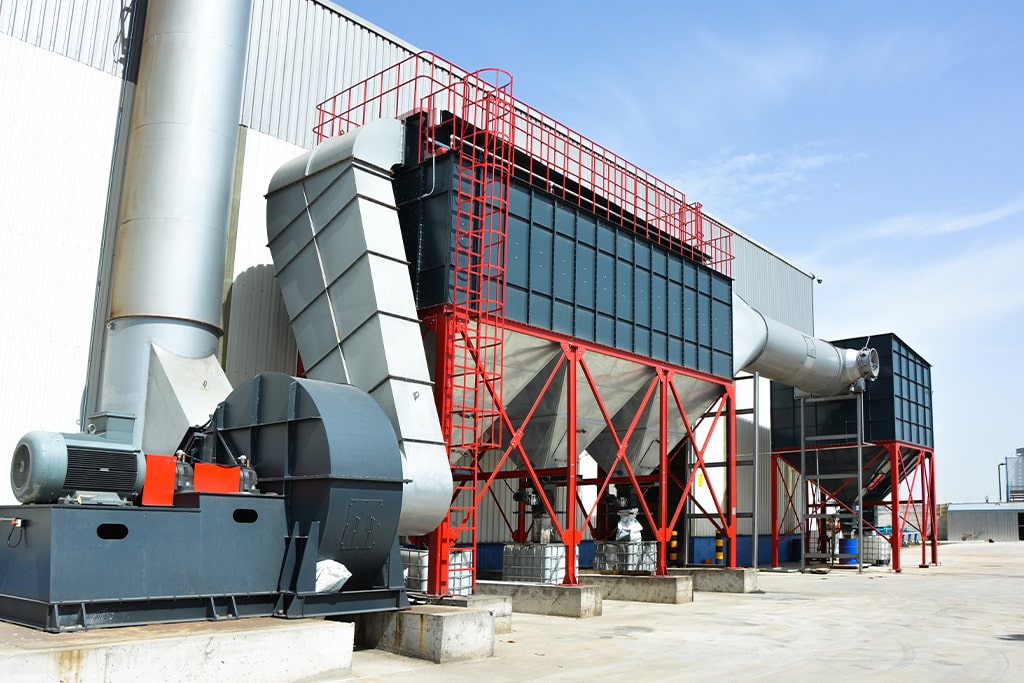
Energy Efficiency: The airflow requirements of thermal cutting systems largely depend on the design of the cutting table. Modular cutting tables with divided extraction zones require less extraction power, whereas single-module cutting tables demand more. The design of the filter unit and fan also significantly impact energy consumption. Partnering with expert dust collection manufacturers can help reduce energy costs.
Maintenance and Filter Longevity: Select systems with durable, easy-to-maintain filters that minimize downtime and reduce replacement frequency. Automated cleaning mechanisms can help maintain consistent airflow and efficiency.
At Bomaksan, we understand the unique challenges of thermal cutting operations. With over 35 years of experience, we offer customized filtration solutions that ensure optimal safety, energy efficiency, and performance. Our systems are designed to meet your specific operational needs, keeping your facility compliant, productive, and safe. Reach out to Bomaksan today for expert advice and tailored solutions for your cutting processes.