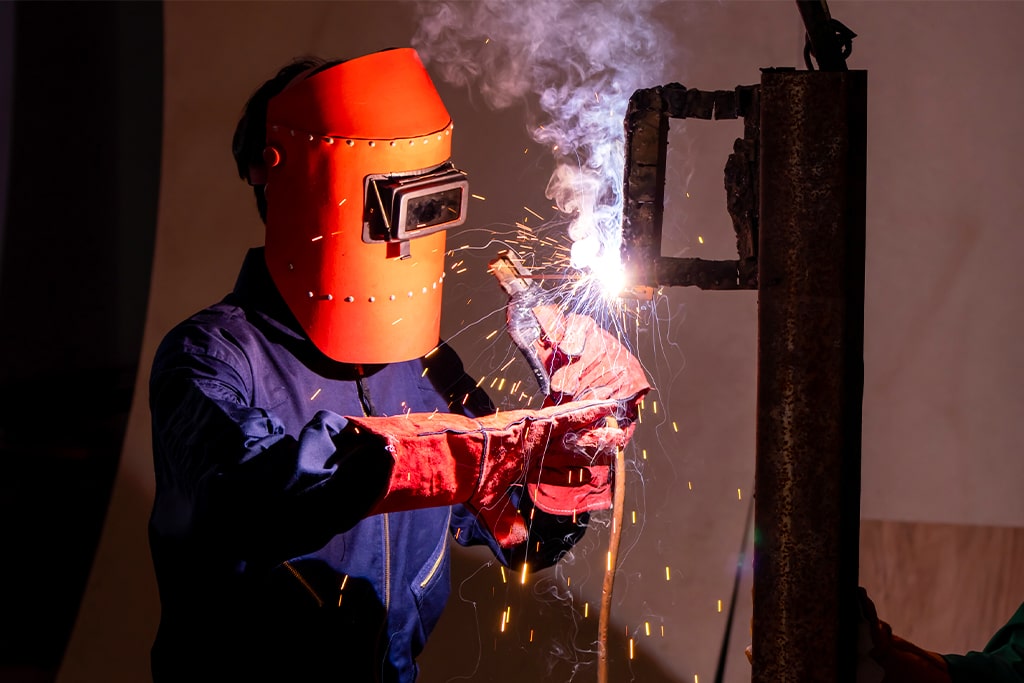
Aluminum die casting involves high-temperature operations, chemical treatments, and mechanical processes that can generate various air pollutants. These emissions can impact both workers’ health and environmental compliance if not properly controlled. Understanding the sources of air pollution in die casting is essential for implementing effective filtration and air quality management solutions. Below are the key processes in aluminum die casting where air pollutants are most likely to arise.
HOW AIR POLLUTION ARISES IN ALUMINUM DIE CASTING PROCESSES
1. Melting and Alloying Operations:
Fume Emissions: During the melting of aluminum, fumes containing oxides and other impurities are released. If fluxes or degassing agents are used, they can generate additional chemical emissions.
Gas Release: The absorption of hydrogen from moisture during melting can lead to gas emissions, which must be carefully managed to avoid porosity in the cast and air contamination.
2. Use of Lubricants and Release Agents:
Volatile Organic Compounds (VOCs): Lubricants and mold release agents often contain solvents that release VOCs when applied at high temperatures. These emissions can be harmful if inhaled and contribute to air pollution.
Smoke and Fumes: Improper application or excess use of release agents can produce smoke and odors, affecting air quality in the work environment.
3. Injection and Casting Process:
Entrained Air and Gas Emissions: The rapid injection of molten aluminum into molds can trap air, generating fumes that escape from vent holes or parting lines in the mold.
Chemical Reactions: The interaction between molten metal and mold coatings can produce gases or particulate emissions, especially if the coating materials are not properly controlled.
4. Cooling and Solidification:
Steam and Vapor Emissions: Cooling systems using water or other fluids can produce steam or chemical vapors, especially if contaminated fluids are used.
Oxidation Products: As molten aluminum solidifies, it can react with oxygen, releasing oxide dust and fine particles into the air.
Air pollution in aluminum die casting arises from various stages of the process, including melting, casting, and finishing operations. The emissions generated not only affect worker safety but can also harm the environment if not properly managed.
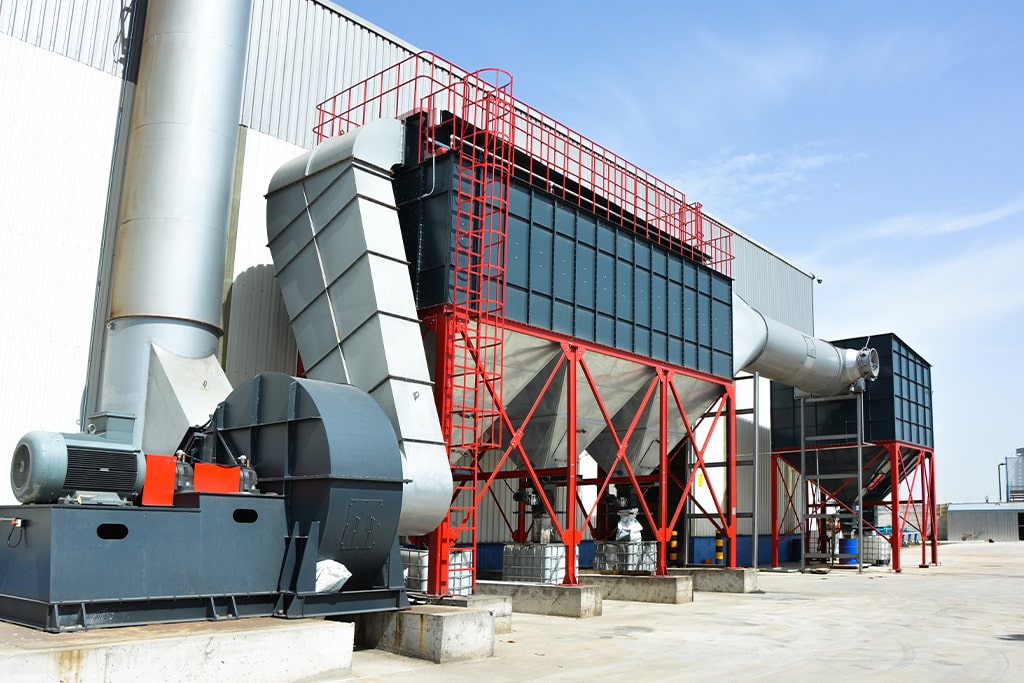
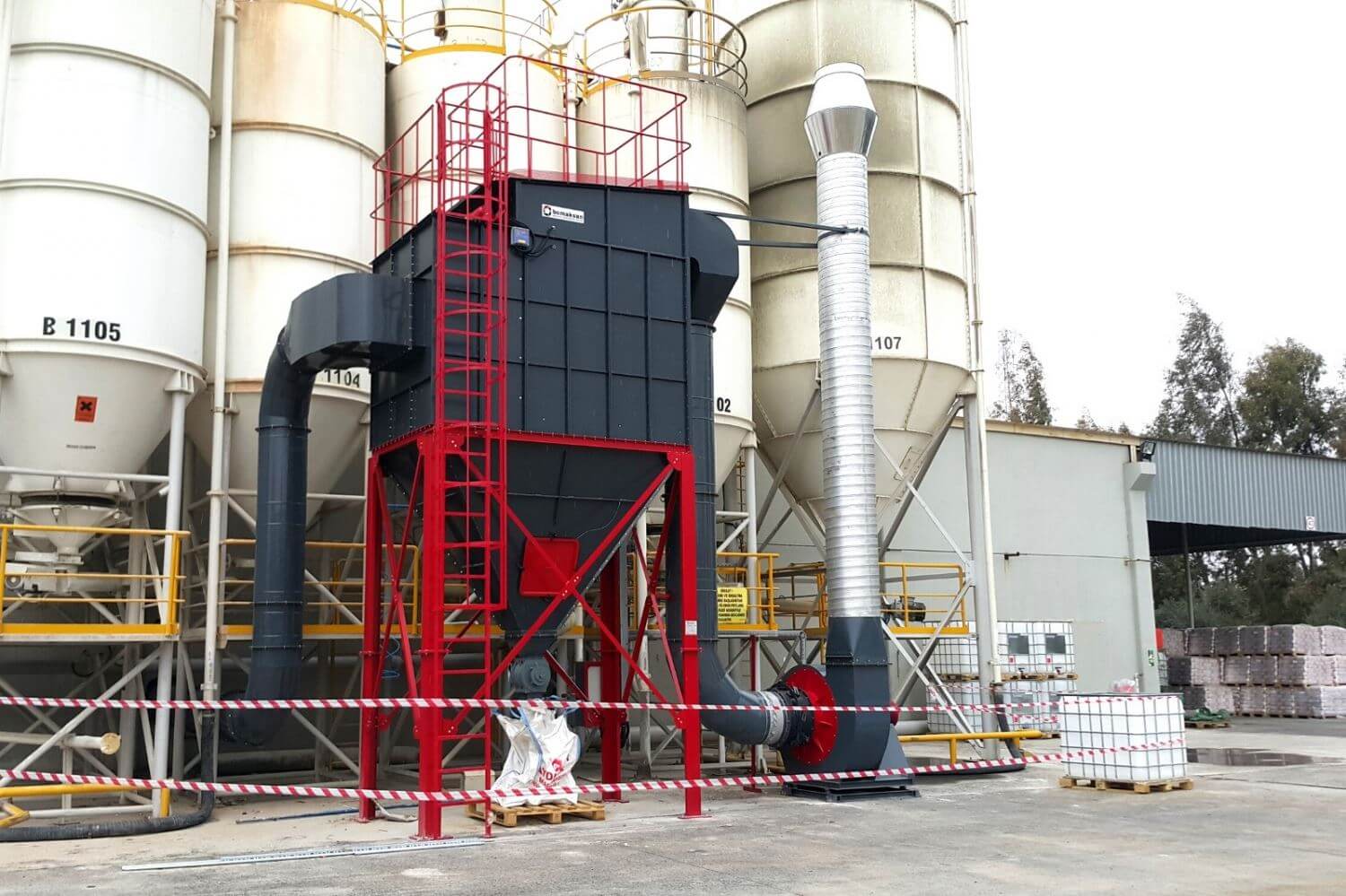
Bomaksan specializes in providing filtration systems and air purification solutions designed to control air pollution in industrial settings. Our customized systems help businesses ensure compliance with environmental regulations while maintaining a safe and clean workplace. Contact us today to learn more about how we can support your air quality needs in aluminum die casting operations.
I am text block. Click edit button to change this text. Lorem ipsum dolor sit amet, consectetur adipiscing elit. Ut elit tellus, luctus nec ullamcorper mattis, pulvinar dapibus leo.
Learn MoreWHY DO YOU NEED A FILTRATION SYSTEM
Aluminum die casting is widely used in industries such as automotive, aerospace, and electronics to produce high-precision components. However, the process generates fumes, dust, and other airborne pollutants that can negatively impact health, safety, product quality, and equipment longevity. A reliable filtration system is essential for ensuring efficient, safe, and sustainable die casting operations. Below, we explore the critical reasons why filtration systems are vital in aluminum die casting processes.
1. Protecting Employee Health and Safety
The melting and casting of aluminium release hazardous fumes, fine dust, and volatile organic compounds (VOCs) that can pose significant health risks. Without proper filtration, these pollutants can lead to respiratory problems and long-term health issues. Filtration systems:
Capture Harmful Fumes and Dust: Prevent worker exposure to airborne contaminants during melting, casting, and finishing operations.
Ensure Compliance with Health Regulations: Meet occupational safety standards by maintaining safe air quality in the work environment.
2. Maintaining Product Quality and Integrity
Airborne contamination can compromise the surface finish, mechanical properties, and overall quality of die-cast parts. Dust particles, oxide inclusions, or chemical residues can result in defective products. Filtration systems:
Ensure Clean Casting Environments: Minimize airborne contamination during mold preparation, injection, and cooling stages.
Prevent Surface Defects: Reduce the risk of dust and impurities affecting product aesthetics and performance.
3. Increasing Equipment Longevity and Reducing Downtime
Contaminants such as metal dust, fumes, and residues can accumulate on equipment, leading to blockages, overheating, and wear. This causes unplanned downtime and increases maintenance costs. Filtration systems:
Protect Equipment from Contamination: Keep machinery clean by capturing fumes and dust before they settle on components.
Minimize Maintenance Costs: Prevent equipment failures and extend the lifespan of production tools and ventilation systems.
4. Ensuring Compliance with Industry Regulations
Strict environmental and safety regulations govern air quality and emissions in die casting facilities. Non-compliance can result in fines, operational shutdowns, and reputational damage. Filtration systems:
Capture Emissions to Meet Standards: Ensure compliance with local and international emission regulations.
Facilitate Audits and Inspections: Provide monitoring data and documentation to demonstrate regulatory compliance.
5. Creating a Safe and Comfortable Working Environment
Fumes, dust, and unpleasant odors can affect employee comfort and productivity, leading to higher absenteeism and turnover. Clean air promotes a healthier and more productive workplace.
Improve Air Quality: Eliminate pollutants and odors, creating a more comfortable environment for workers.
Boost Employee Satisfaction: Ensure workers operate in safe, clean conditions, enhancing morale and retention.
6. Reducing Environmental Impact and Promoting Sustainability
Sustainable practices are increasingly important for modern industries, and effective air pollution control is part of responsible operations. A robust filtration system helps reduce environmental impact.
Limit Airborne Emissions: Capture pollutants before they enter the environment, reducing your facility’s carbon footprint.
Support Green Initiatives: Demonstrate environmental responsibility by adopting sustainable air filtration solutions.
7. Addressing Industry-Specific Challenges in Aluminum Die Casting
Aluminium die casting presents unique challenges, such as managing fine dust, controlling VOCs, and preventing hydrogen-related defects. Bomaksan provides customized filtration solutions to meet these specific needs:
Custom-Designed Filtration Systems: Tailored to handle your industry’s specific materials and processes.
In aluminum die casting, an effective filtration system is essential to protect employee health, ensure product quality, maintain equipment, and achieve regulatory compliance. By investing in a reliable filtration system, companies can reduce costs, improve energy efficiency, and support sustainability goals.
Bomaksan specializes in designing and implementing advanced filtration systems tailored to the specific needs of aluminum die casting operations. Our solutions help companies operate safely, efficiently, and sustainably, meeting the highest industry standards. Contact us today to explore how we can enhance your air quality and casting processes.
I am text block. Click edit button to change this text. Lorem ipsum dolor sit amet, consectetur adipiscing elit. Ut elit tellus, luctus nec ullamcorper mattis, pulvinar dapibus leo.
Learn More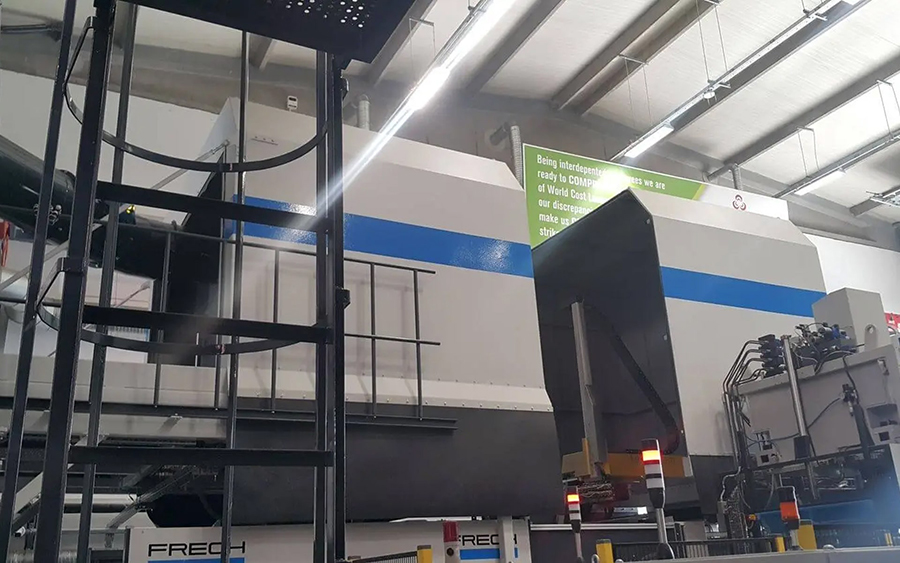
CHOOSING THE RIGHT FILTRATION SYSTEM FOR ALUMINUM DIE CASTING PROCESS
Selecting the appropriate filtration system for aluminum die casting processes is essential to maintain a clean, safe, and efficient working environment. The right system protects employees’ health, ensures product quality, extends equipment life, and helps meet regulatory requirements. With the complexities of die casting, including high temperatures, chemical agents, and airborne particles, choosing the optimal solution requires a careful evaluation of several factors. Below are the key considerations for selecting the right filtration system for your aluminum die casting operations.
1. Understand the Types of Pollutants Generated
Aluminum die casting generates multiple types of pollutants, including dust, fumes, and volatile organic compounds (VOCs). Identifying these emissions is the first step in selecting an effective filtration solution. Consider:
Metal Dust and Particles: Trimming and grinding operations produce fine aluminum dust that requires targeted dust collection systems.
Fumes and VOCs: Lubricants and release agents release VOCs, which need specialized filtration to protect workers.
Oxide Particles: Melting aluminum generates oxide residues that must be captured to prevent contamination.
2. Analyze the Emission Sources Across Process Stages
Each stage of aluminium die casting produces different pollutants. Identifying these sources helps determine where and how to implement filtration systems effectively. Key areas include:
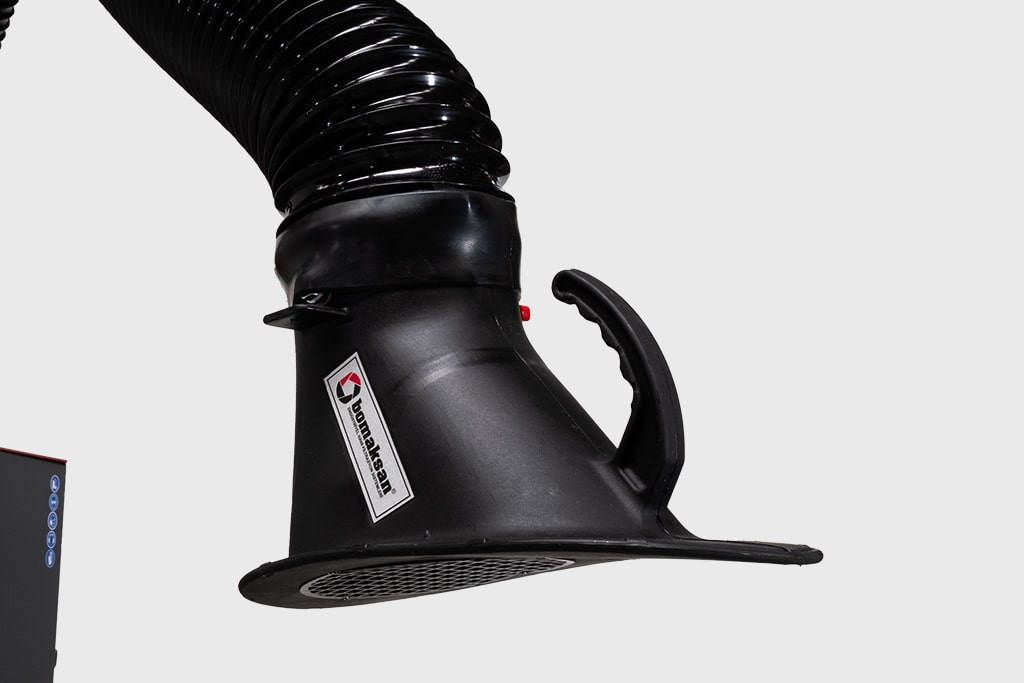
Melting and Holding Furnaces: Capture fumes and oxide dust released during melting with local exhaust systems.
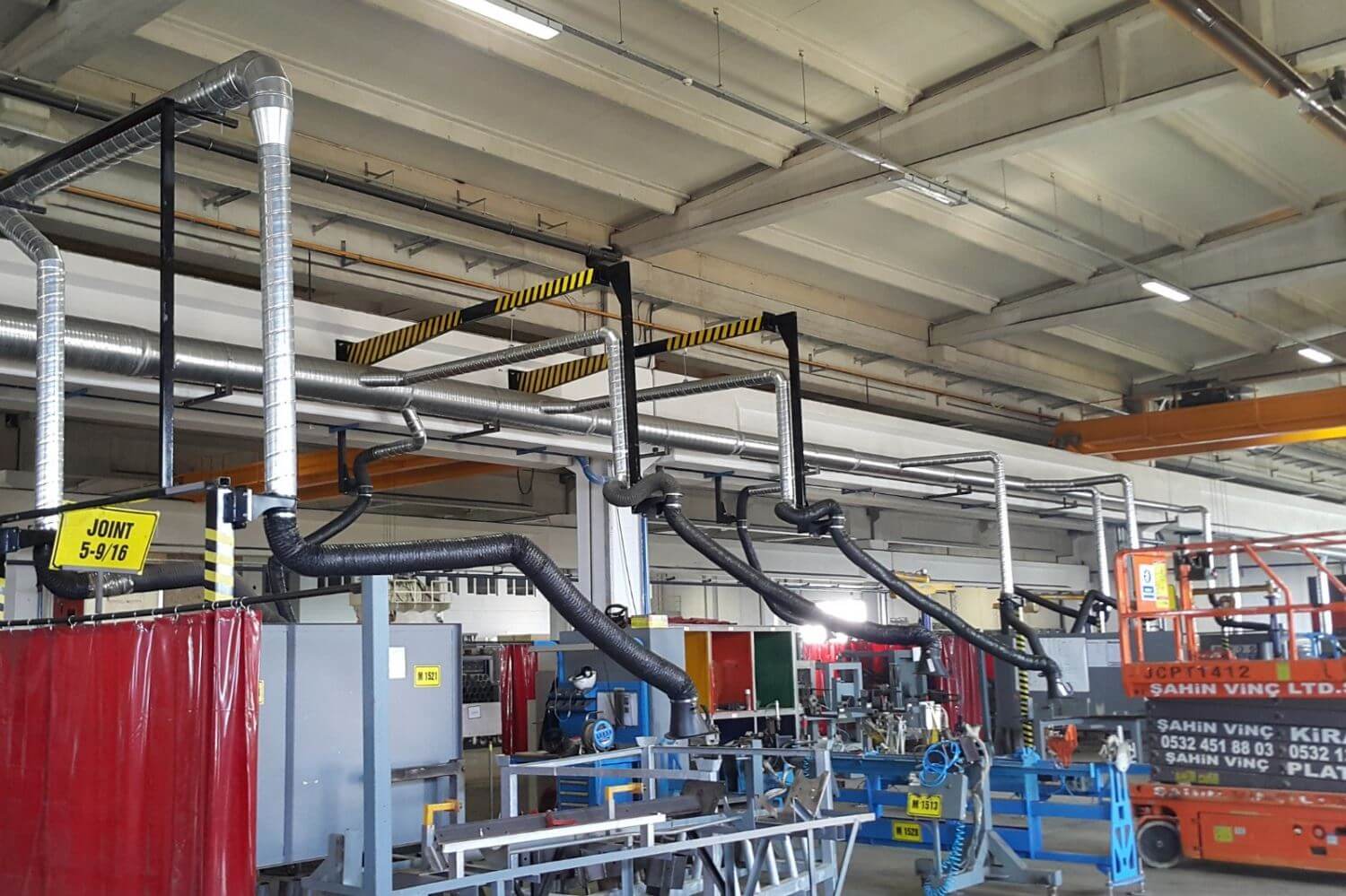
Injection and Molding: Use ventilation near molds to capture VOCs from release agents and prevent exposure.
Finishing Operations: Install dust collection units to manage airborne metal particles generated by grinding or trimming. Please note that aluminum dust is highly explosive when the right conditions are met.
3. Consider Airflow Requirements and System Capacity
An effective filtration system must handle the airflow required to capture contaminants at every emission point. Consider the following:
Air Volume: Calculate the airflow required to capture pollutants based on the volume and frequency of emissions.
System Capacity: Ensure the system can handle peak loads without a drop in performance during high-production periods.
4. Evaluate Filter Types and Efficiency Levels
Selecting the right filter type ensures that the system efficiently captures pollutants specific to aluminum die casting. Consider:
Electrostatic Filters: Fumes and smoke generated during the injection process may contain VOCs like paraffins and waxes, which are highly adhesive contaminants. These substances can quickly clog dry filter media. Therefore, electrostatic filters with automatic cleaning systems are recommended for such applications.
Cartridge Filters: Suitable for capturing fine aluminium dust in finishing areas.
5. Ensure Compliance with Environmental and Safety Regulations
Aluminium die casting operations must comply with strict environmental and safety standards to avoid penalties and ensure safe working conditions. Consider:
Emission Standards: Verify that the filtration system meets local and international air quality regulations.
Explosion Protection: Implement explosion-proof systems for areas where fine metal dust could pose a combustion risk.
Worker Safety Standards: Ensure filtration systems maintain air quality in compliance with OSHA or other occupational safety guidelines.
VOC Limits: Ensure VOC emissions from lubricants and agents are within permissible limits.
6. Plan for Maintenance and Operational Costs
A filtration system’s efficiency depends on regular maintenance and long-term cost management. Key considerations include:
Ease of Maintenance: Choose systems with easily accessible filters and automated cleaning to reduce downtime.
Filter Replacement Costs: Assess the lifespan and availability of filters to minimize operational expenses.
Energy Efficiency: Opt for systems that optimize airflow and consume less power to reduce energy costs.
7. Tailor Solutions to Industry-Specific Challenges
Each die casting operation faces unique challenges, from managing metal dust to controlling VOC emissions. Filtration systems should be customized to meet these specific needs:
Automotive Industry: Focus on capturing VOCs and maintaining product quality for components with tight tolerances.
Aerospace Industry: Implement advanced filtration to achieve ultra-clean environments for critical parts.
Electronics Manufacturing: Use systems that prevent contamination to meet high precision and quality standards.
Choosing the right filtration system for aluminum die casting processes requires a comprehensive evaluation of pollutant types, process stages, regulatory requirements, and operational needs. A well-designed filtration system ensures a safer working environment, consistent product quality, lower maintenance costs, and compliance with environmental standards.
At Bomaksan, we specialize in designing and implementing filtration solutions tailored to the unique challenges of aluminum die casting. Our systems ensure efficient pollutant control, helping you achieve your operational goals while meeting regulatory standards. Contact us today to discover how we can enhance your die casting operations with the right filtration solutions.
I am text block. Click edit button to change this text. Lorem ipsum dolor sit amet, consectetur adipiscing elit. Ut elit tellus, luctus nec ullamcorper mattis, pulvinar dapibus leo.
Learn MoreAre you looking for a solution?
Bomaksan Clean Air Experts are here for you. Fill the request form now, get one step closer to the solution.
SEND A QUOTE