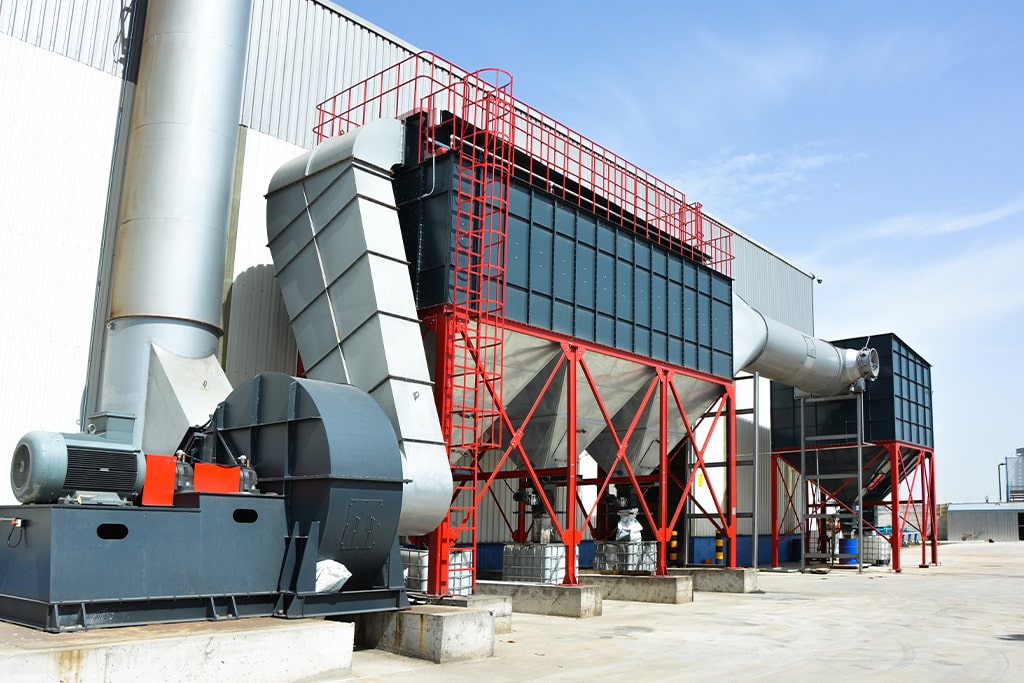
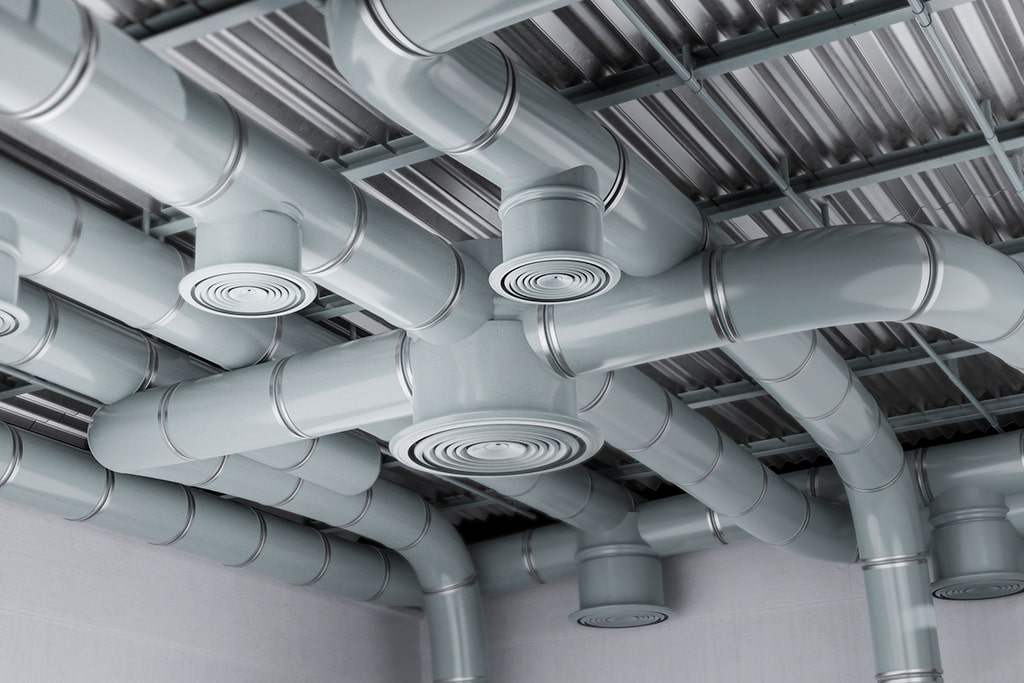
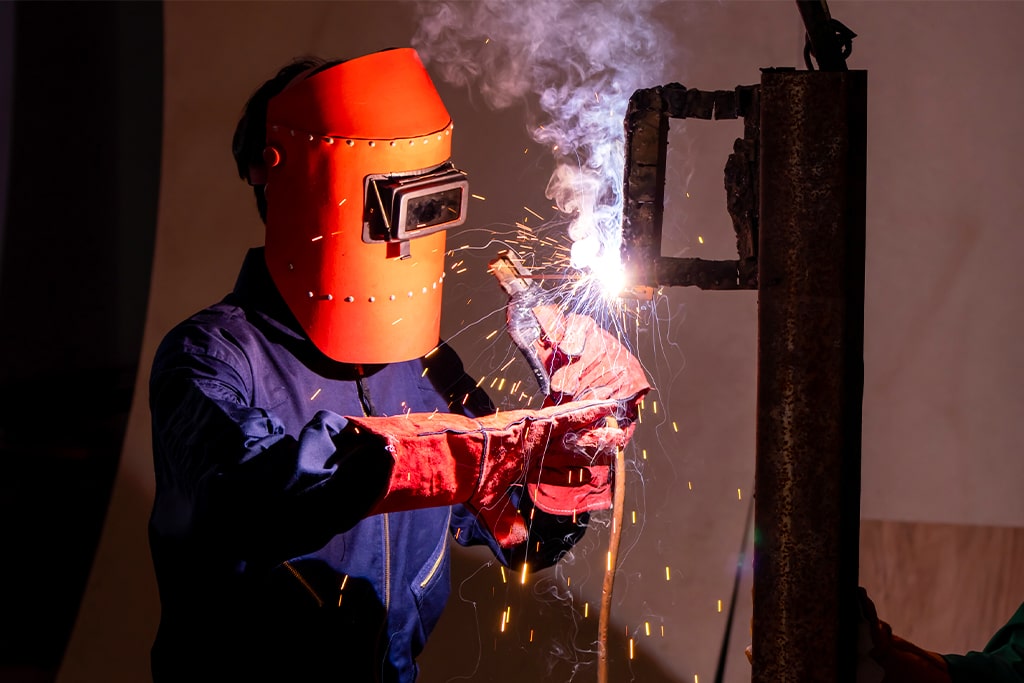
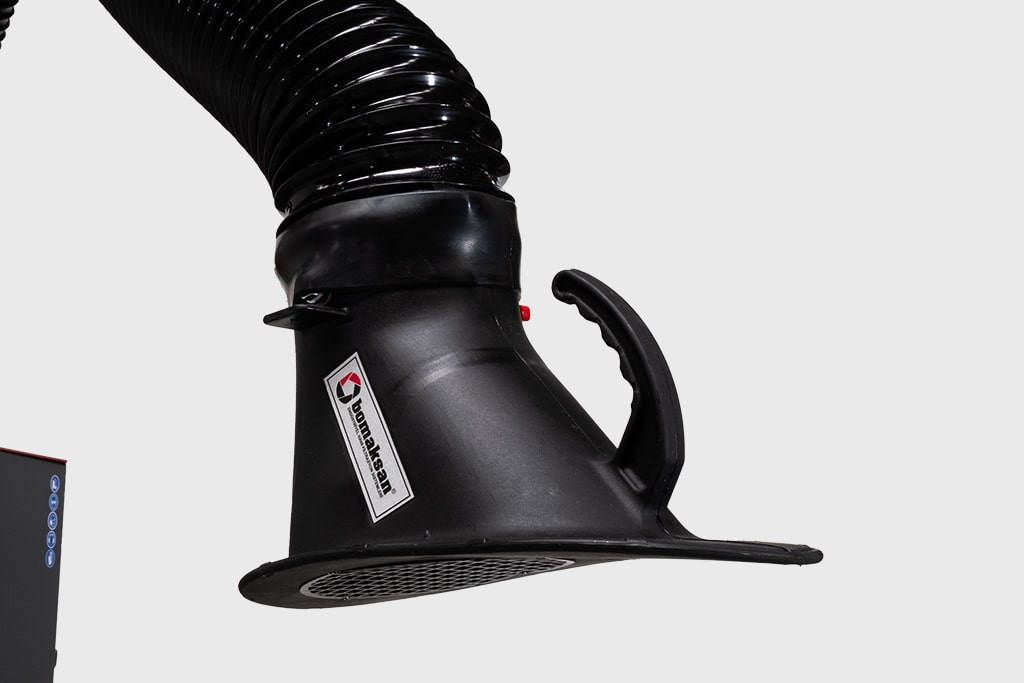
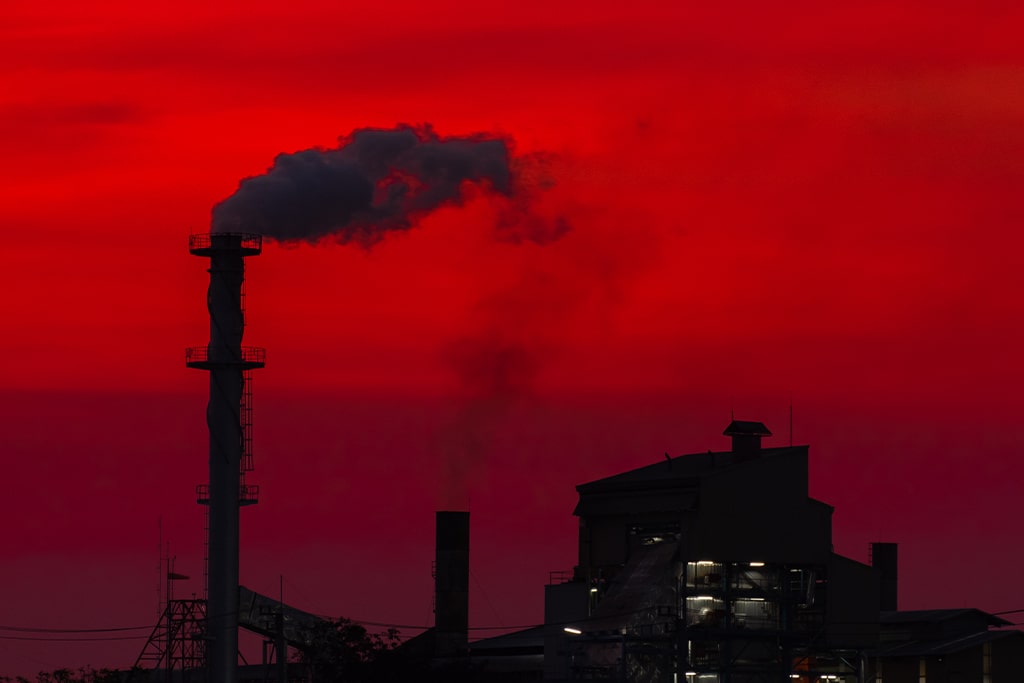
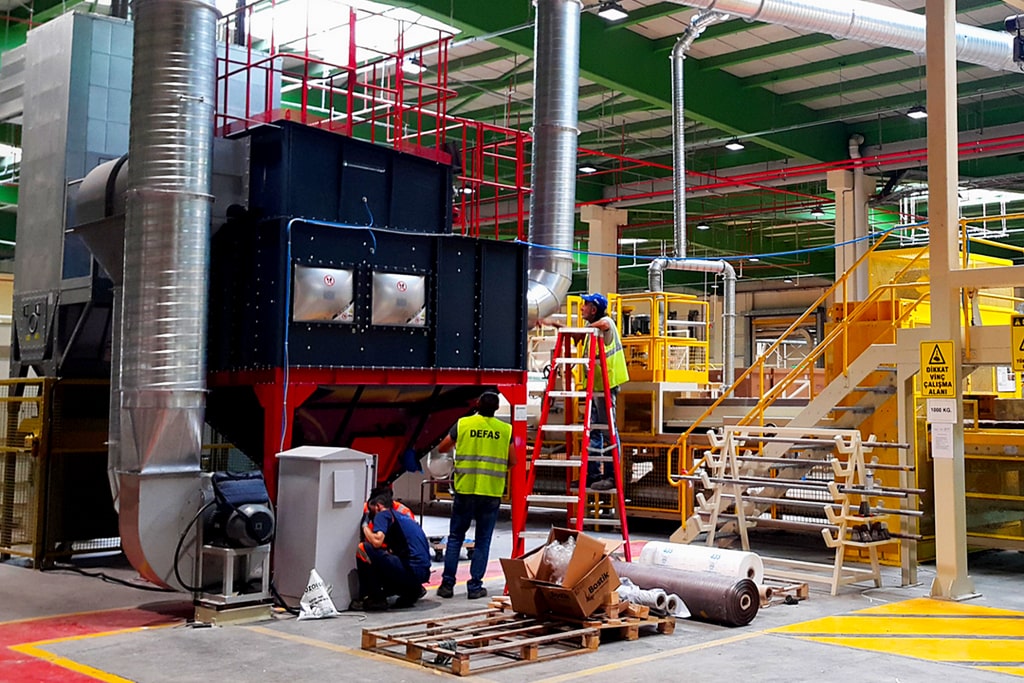
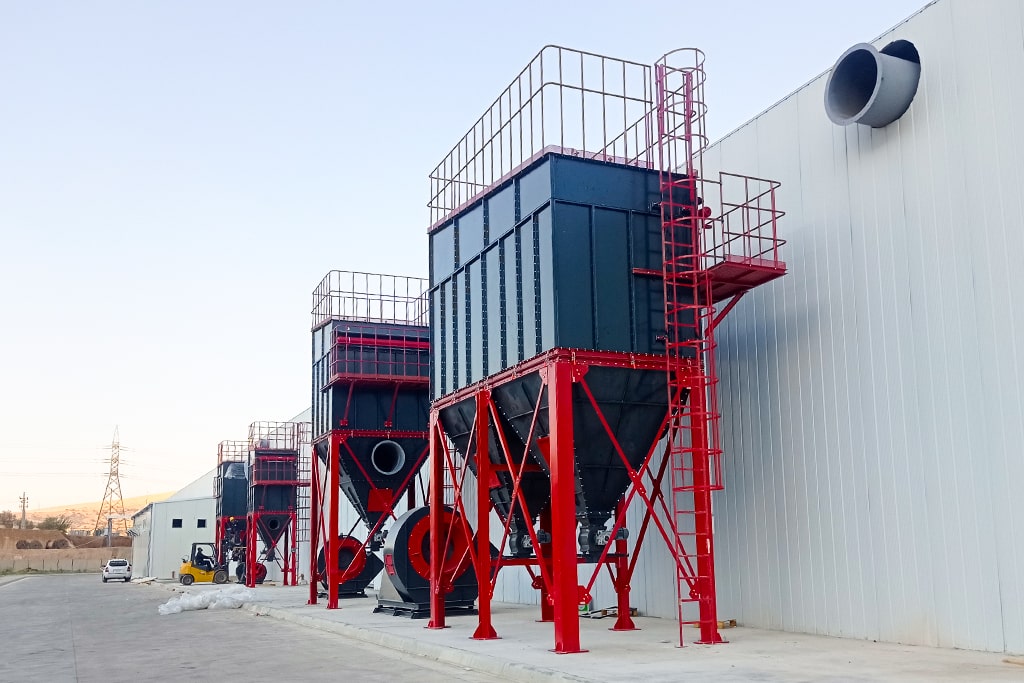
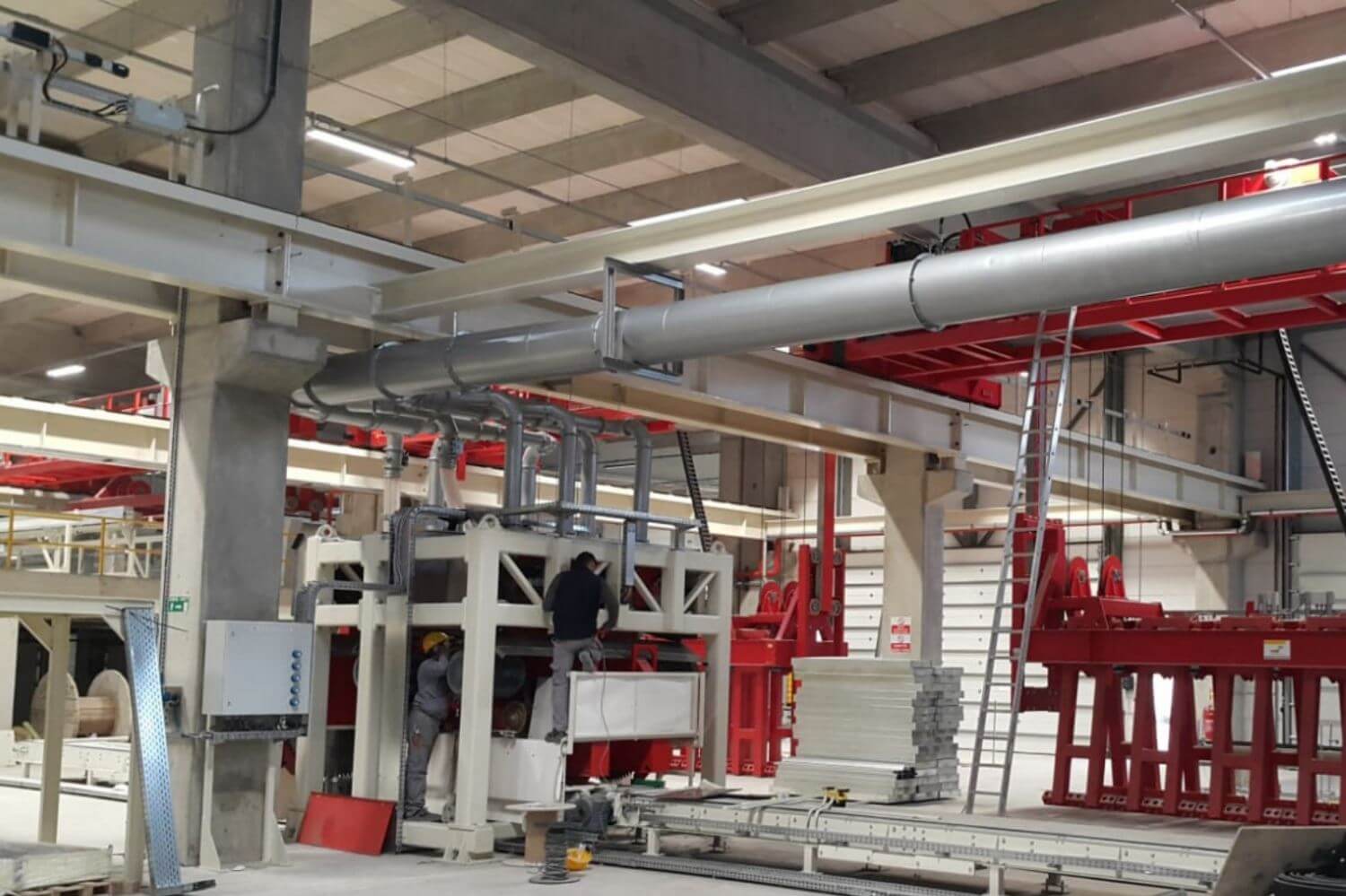
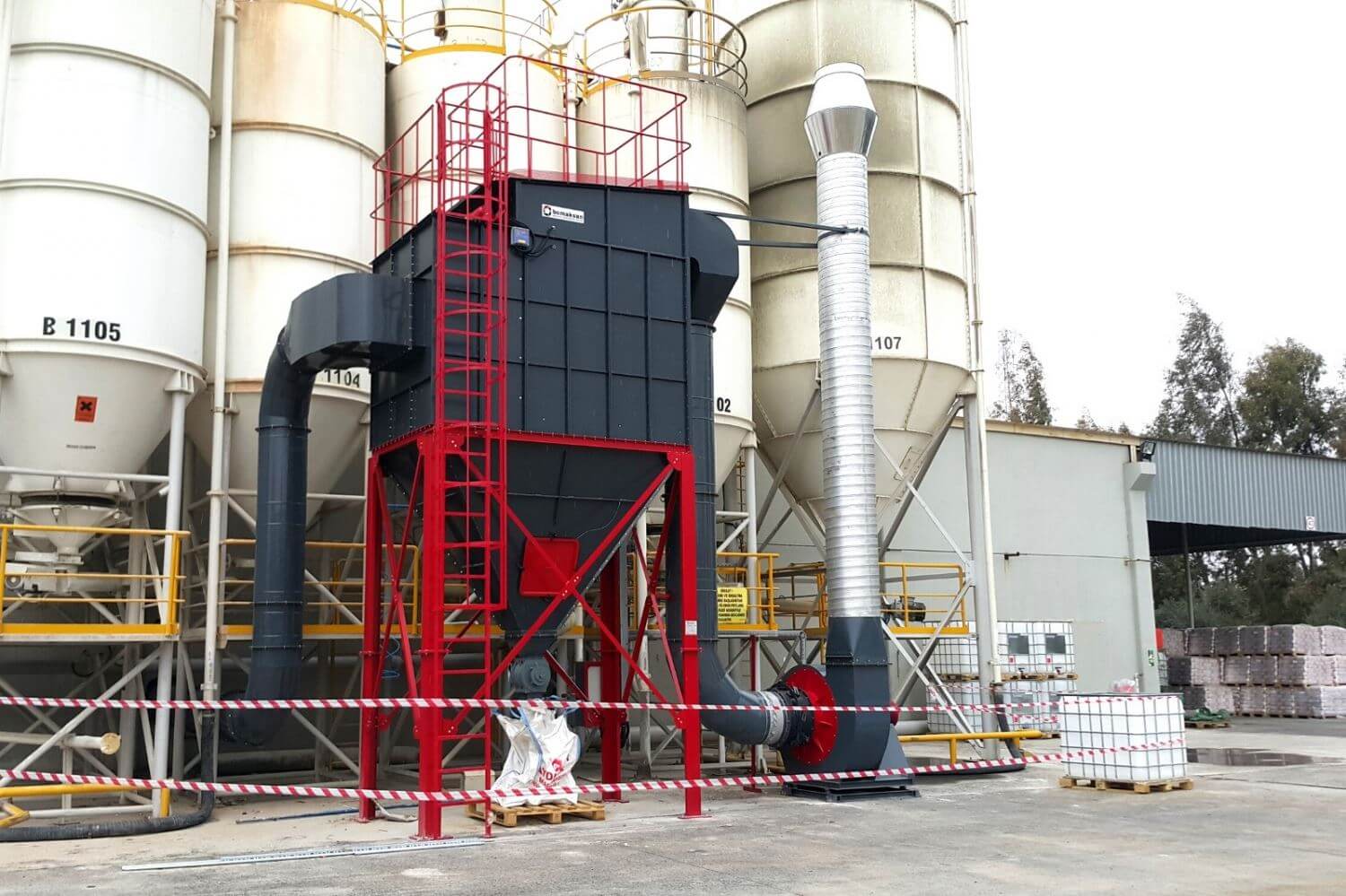
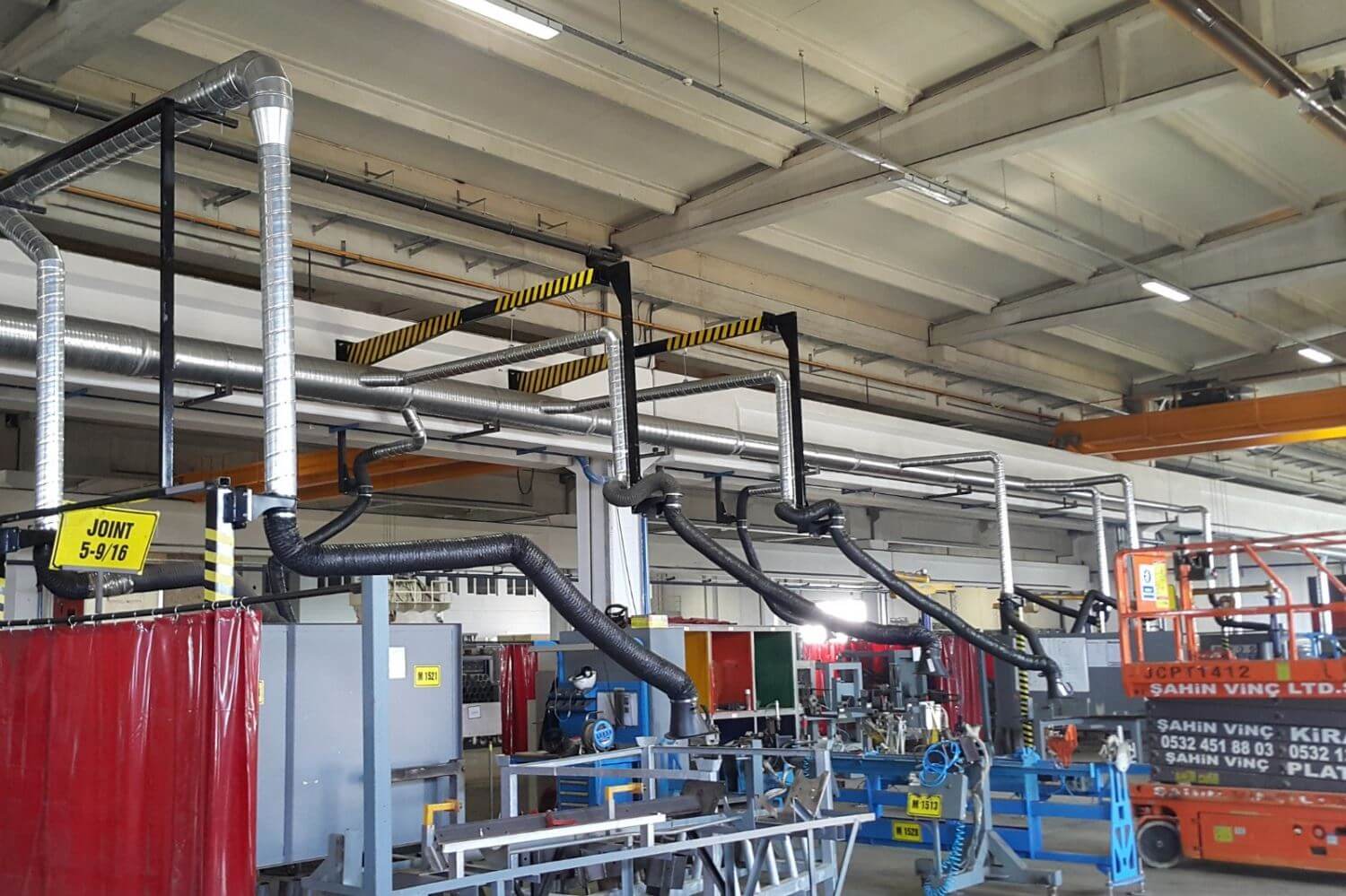
In thermal cutting processes, the generation of metal fumes, gases, and dust presents significant risks. These airborne particles pose risks not only to machinery but also to the health and safety of the workforce. Implementing an effective filtration system is essential for several critical reasons:
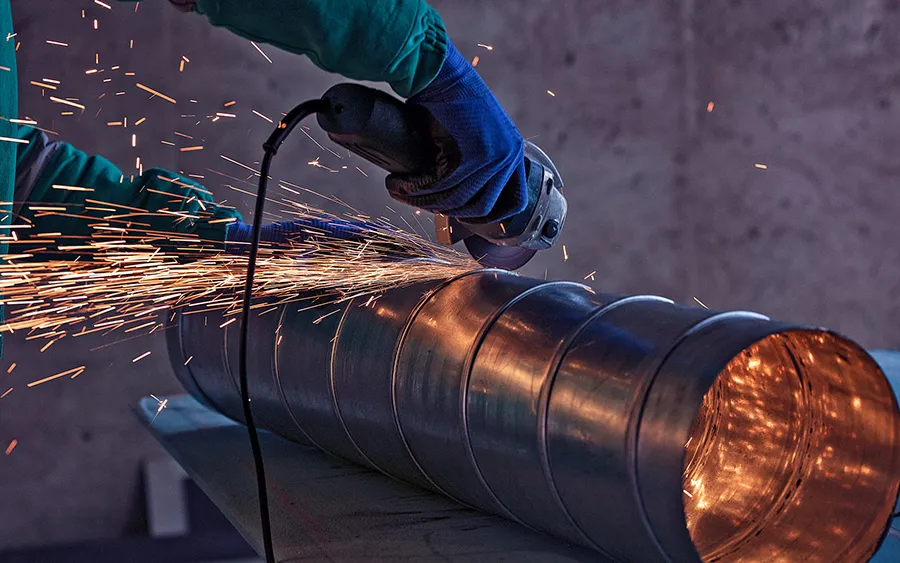
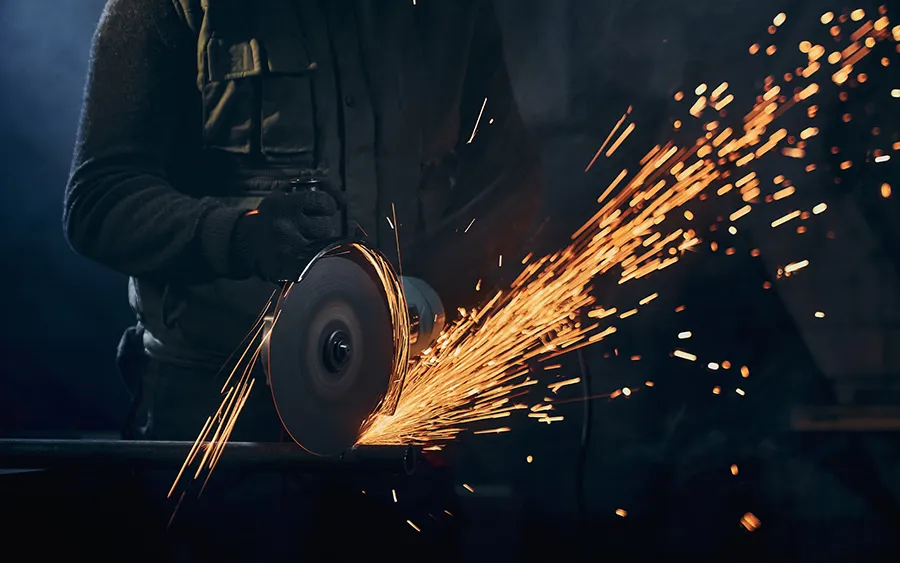
HOW CONTAMINATION ARISES IN GRINDING & POLISHING PROCESS ?
The purpose of grinding and polishing is to create clean, smooth surfaces on workpieces. These processes involve abrasive contact between tools and metal surfaces, generating fine dust, particles, and heat. The contaminants produced during these operations include the following:
Material Removal: As the abrasive tool grinds or polishes, it removes tiny fragments from the surface, creating fine dust and particulate matter.
Metal Oxides and Heat Generation: When grinding ferrous metals, the heat produced can cause oxidation, forming iron oxide dust.
Release of Coatings or Residues: Polishing coated or lubricated surfaces releases volatile organic compounds (VOCs) or fine dust particles.
Particle Size Variation: Depending on the material, particle size can range from visible debris to submicron dust, posing inhalation risks if not properly filtered.
The amount of dust depends on the material type, abrasive method, tool speed, and pressure applied. Proper extraction is crucial to capture particles at the source and prevent buildup in the air or machinery.
WHY DO YOU NEED A FILTRATION SYSTEM ?
1. Employee Health and Safety
Grinding composites or stones can release fine dust containing hazardous fibers, silica, or abrasive particles, which pose serious health risks, including respiratory problems. When working with metal workpieces, metal dust can also enter the respiratory system, causing respiratory issues, skin irritation, or long-term health complications. Exposure to materials like aluminum or stainless steel without proper filtration increases these risks, emphasizing the importance of effective air filtration systems.
2. Compliance with Environmental and Safety Regulations
Industrial regulations mandate the control of airborne contaminants to ensure workplace safety. Failure to meet these standards can result in fines, operational delays, or even shutdowns. A reliable filtration system is essential for maintaining compliance, particularly in industries dealing with materials like silica, where strict regulations apply. Proper filtration not only ensures a safer work environment but also helps avoid penalties and disruptions.
3. Protecting Machinery and Equipment
Dust and abrasive particles from metal, stone, or composite grinding can accumulate on machinery, leading to wear, clogs, malfunctions, and potential breakdowns. Sensitive polishing equipment is particularly vulnerable, with dust buildup reducing efficiency and increasing maintenance costs. An effective filtration system minimizes these risks, ensuring smoother operation and extending the lifespan of equipment.
Moreover, many companies are investing in solar energy by turning their rooftops into solar power stations. However, when dust accumulates on solar panels, it reduces their efficiency. Metal dust poses a greater threat to solar panels than other types of dust because its conductivity can cause damage more quickly, significantly shortening the panels’ lifespan.
4. Improved Productivity and Operational Efficiency
A clean workspace boosts employee morale and minimizes health-related absenteeism. Consistent filtration ensures smooth operations by preventing unexpected machine failures and reducing downtime.
5. Energy Savings and Cost Reduction
Filtration systems reduce strain on HVAC units by maintaining optimal airflow, which saves energy and lowers operational costs over time. Automated filter cleaning systems further enhance efficiency. Well-designed Local Exhaust Ventilation (LEV) systems not only improve air quality in the workshop but also deliver significant energy savings.
High-efficiency filtration systems allow companies to recirculate filtered air back into the workshop, improving energy efficiency. This is especially beneficial during winter, as the recirculated air aids in heat recovery, helping to reduce heating costs and lower energy bills.
6. Environmental Responsibility and Sustainability
Dust generated from grinding operations, especially when working with synthetic composites or natural stones, can contribute to environmental pollution. Filtration systems play a crucial role in reducing emissions by capturing and safely managing waste, ensuring operations align with sustainable practices.
In summary, investing in a filtration system for thermal cutting processes not only safeguards employee health and equipment but also enhances productivity and ensures compliance. It is a strategic investment that fosters a sustainable, safe, and efficient workplace environment.
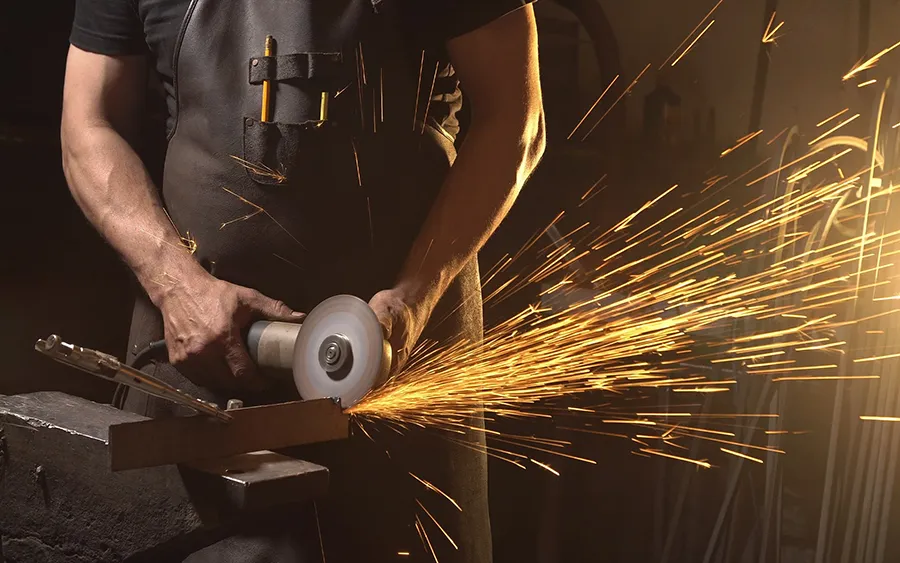
CHOOSING THE RIGHT FILTRATION FOR GRINDING & POLISHING PROCESS
Selecting the right filtration system for grinding and polishing operations is essential for maintaining safety, efficiency, and equipment longevity. Here’s what to consider:
Particle Size and Filtration Efficiency: Grinding produces fine dust from metals, composites, and stones. High-efficiency filters, are necessary to capture these submicron particles effectively.
Type of Material and Emissions: Each material releases different particles. Grinding composites may generate fibers, while marble or other stones release silica dust, all of which require specialized filtration to prevent health risks and rapid clogging of filters.
Fire and Explosion Protection: Grinding metal components can produce sparks and hot particles, posing fire and explosion risks. Filtration systems should include spark arrestors, explosion vents, and fire suppression features, especially when working with combustible dust. This is essential for processes involving aluminum, titanium, magnesium and composite materials that can form explosive dust clouds under the right conditions.
Energy Efficiency: Properly designed extraction systems with localized capture points reduce energy consumption. LEV (Local Exhaust Ventilation) system designers are specialized in designing the best and most energy efficient extraction systems. Automation systems also helps you reduce energy consumption.
High-efficiency filtration systems enable companies to recirculate filtered air back into the workshop, enhancing energy efficiency. This is particularly advantageous in winter, as the recirculated air supports heat recovery, reducing heating costs and lowering overall energy expenses.
Maintenance and Filter Longevity: Systems with automated cleaning and durable filters reduce downtime and maintenance costs. Long-lasting filters ensure consistent performance, minimizing operational disruptions.
At Bomaksan, we understand the unique filtration challenges of grinding and polishing operations. With over 35 years of expertise, we provide customized solutions focused on fire safety, energy efficiency, and regulatory compliance, ensuring your facility operates safely and efficiently. Contact us today for expert guidance on filtration solutions tailored to your specific needs.
Are you looking for a solution?
Bomaksan Clean Air Experts are here for you. Fill the request form now, get one step closer to the solution.
SEND A QUOTE