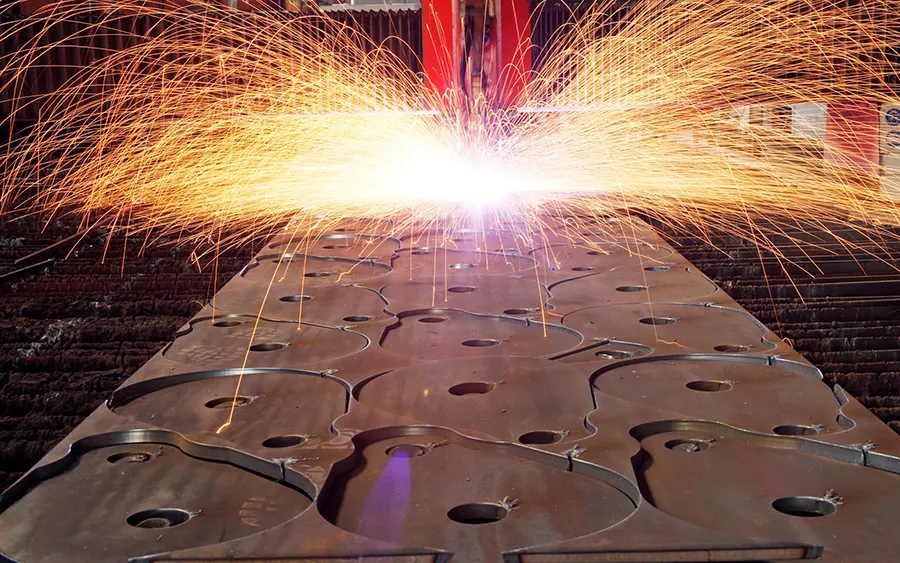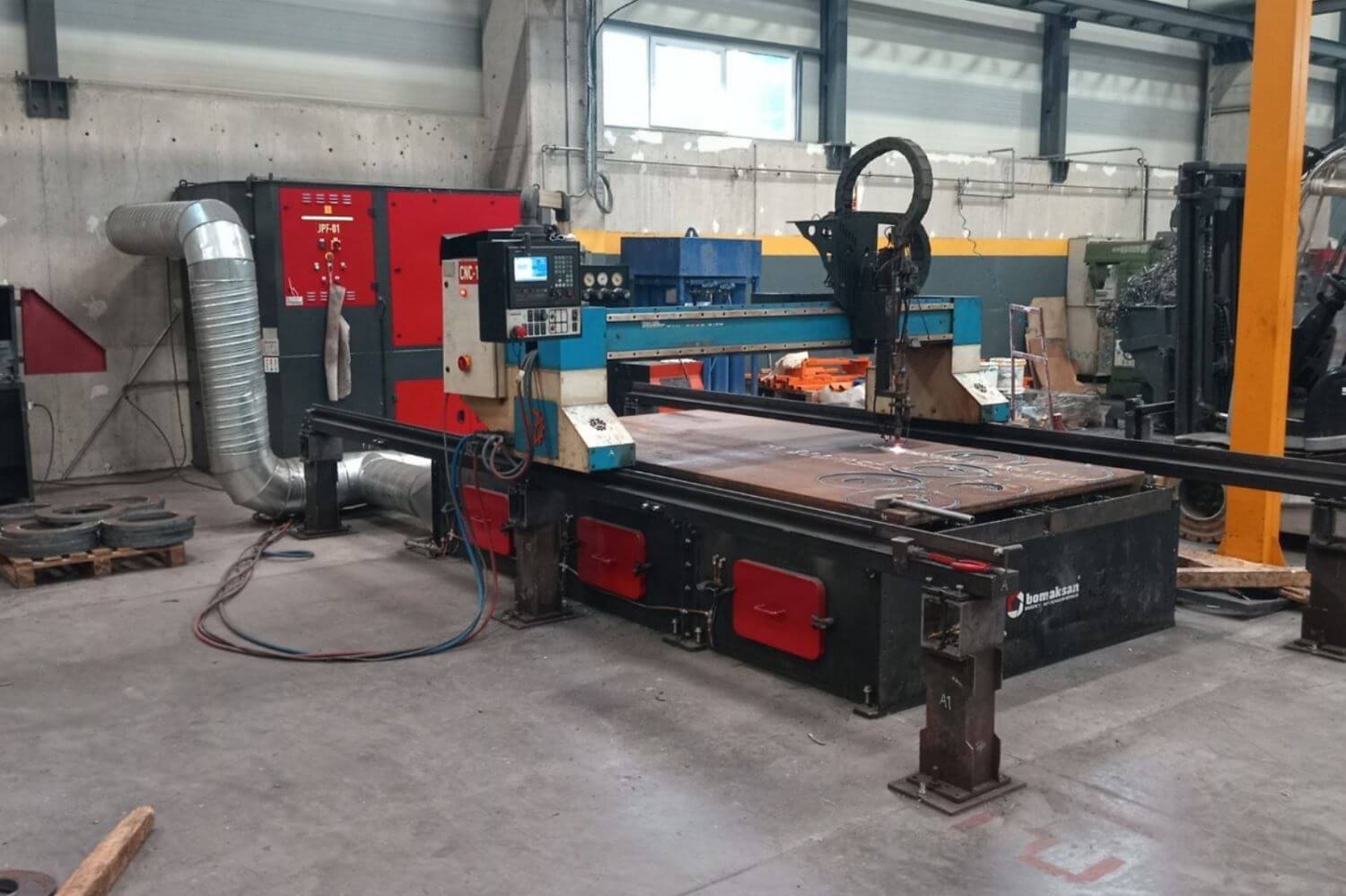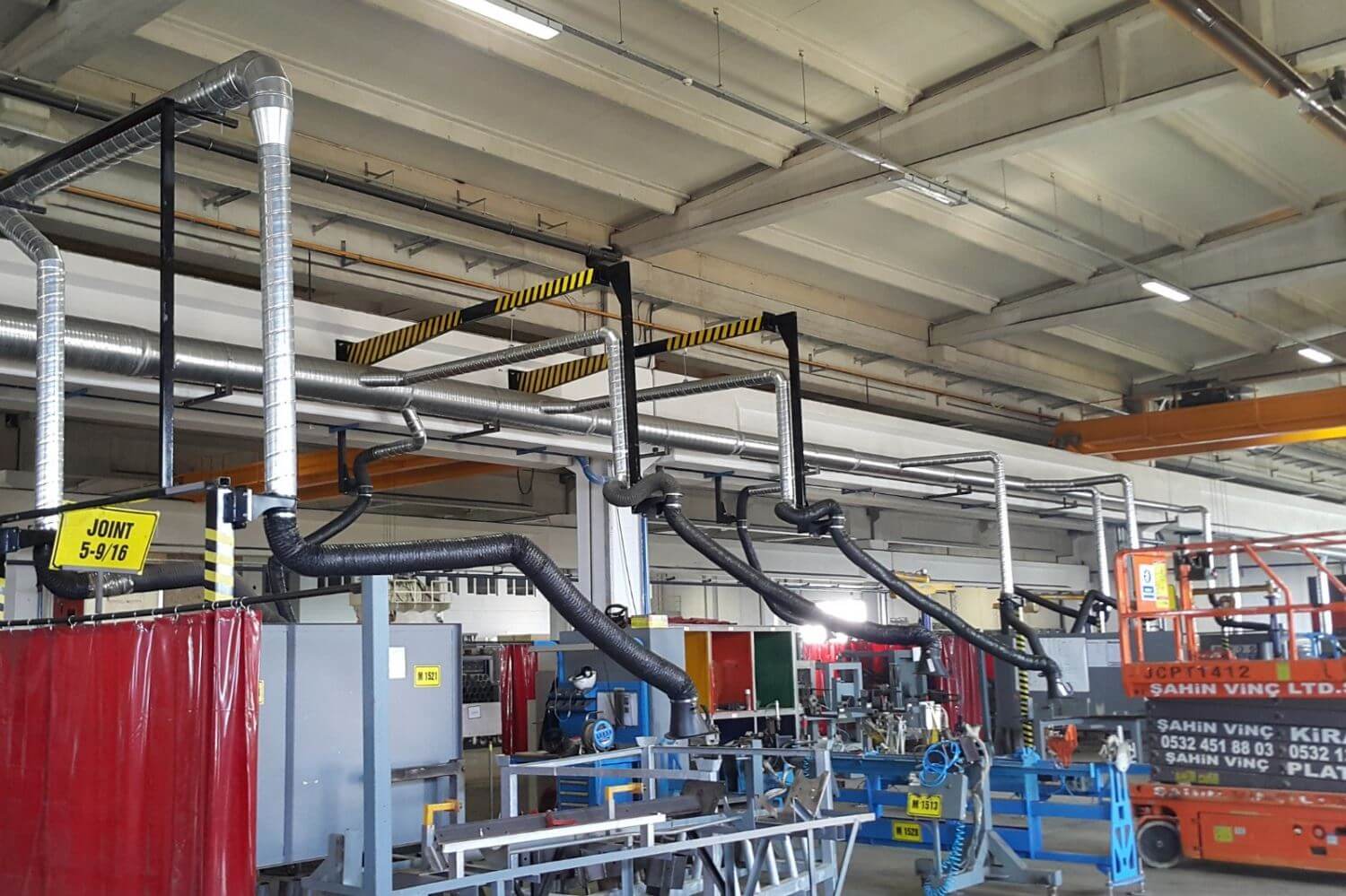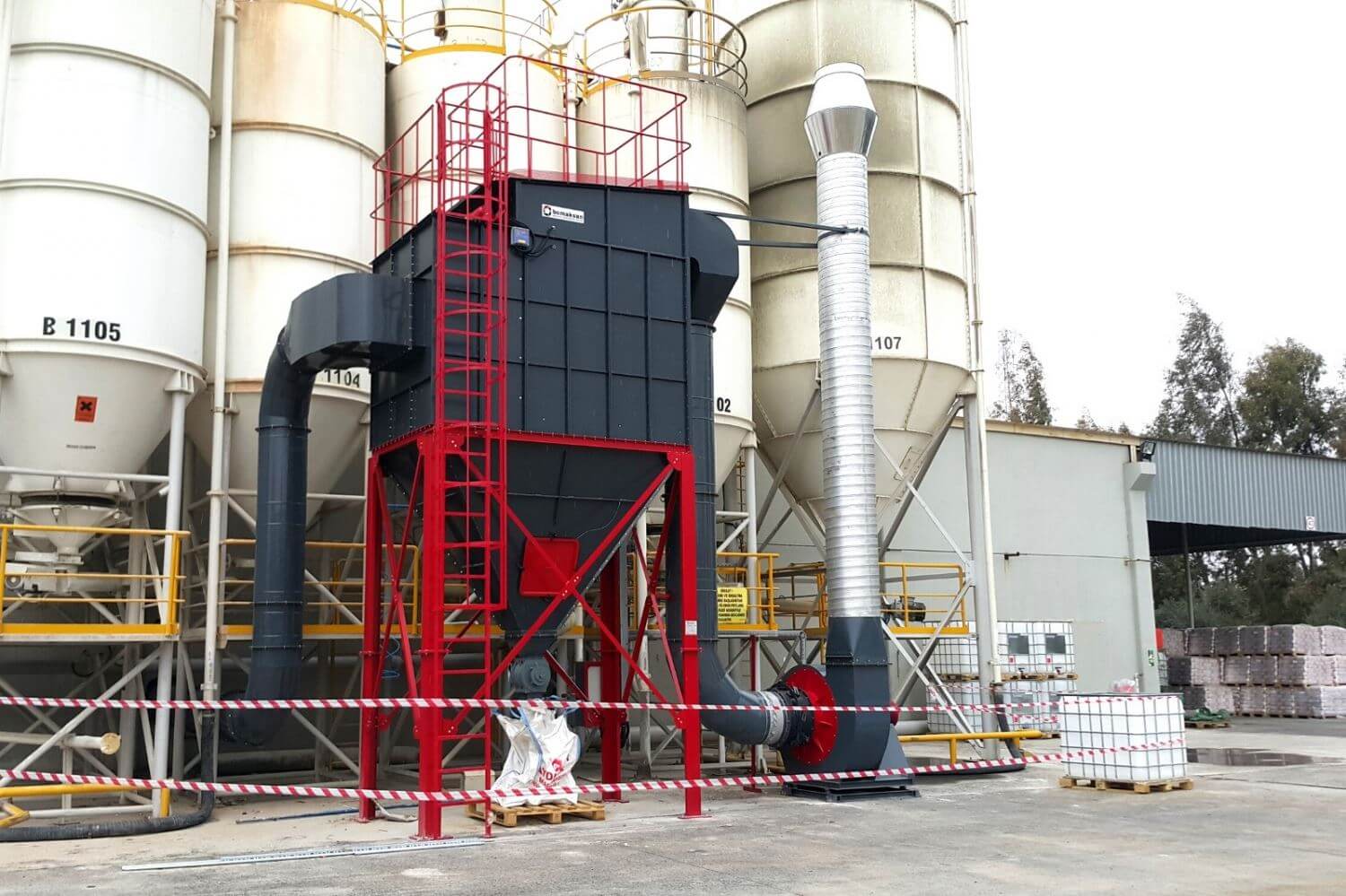
In thermal cutting processes, the generation of metal fumes, gases, and dust presents significant risks. These airborne particles pose risks not only to machinery but also to the health and safety of the workforce. Implementing an effective filtration system is essential for several critical reasons:
1. Employee Health and Safety
Fumes from vaporized metals contain fine particles and harmful gases that can easily enter the respiratory system, leading to respiratory issues, skin irritation, and other health risks. Inhalation of hazardous substances like chromium or zinc can have long-term effects, making air filtration essential to maintaining worker health and safety.
2. Compliance with Environmental and Safety Regulations
Many industries are subject to strict air quality and safety regulations. Failure to control the emission of fumes and gases can result in fines, legal liabilities, or even operational shutdowns. A filtration system ensures compliance with these standards, helping avoid penalties.
3. Protecting Machinery and Equipment
Fine metal dust and fumes can accumulate inside machinery, causing wear, corrosion, and potential malfunctions. Unfiltered contaminants also settle on sensitive equipment, leading to increased maintenance and downtime. Especially in the fiber laser cutting systems, the dust can accumulate in the lenses and wear them very quickly. This increases the operational costs a lot. A filtration system extends the life of your equipment by keeping the work environment clean.
Moreover, many companies are investing in solar energy by turning their rooftops into solar power stations. However, when dust accumulates on solar panels, it reduces their efficiency. Metal dust poses a greater threat to solar panels than other types of dust because its conductivity can cause damage more quickly, significantly shortening the panels’ lifespan.
4. Improved Productivity and Operational Efficiency
A healthy, clean workspace enhances employee performance and reduces the likelihood of health-related absences. Proper filtration ensures uninterrupted operation by preventing equipment failures and minimizing production delays caused by maintenance.
5. Energy Savings and Cost Reduction
A well-designed filtration system improves airflow efficiency, reducing the need for frequent maintenance and energy use. This lowers operational costs and prevents overburdening HVAC systems, ensuring sustainable, long-term savings.
6. Environmental Responsibility and Sustainability
Thermal cutting releases pollutants that can contribute to environmental harm if not managed properly. A filtration system minimizes emissions and aligns your company with sustainable practices, reducing its environmental footprint.
In summary, investing in a filtration system for thermal cutting processes not only safeguards employee health and equipment but also enhances productivity and ensures compliance. It is a strategic investment that fosters a sustainable, safe, and efficient workplace environment.