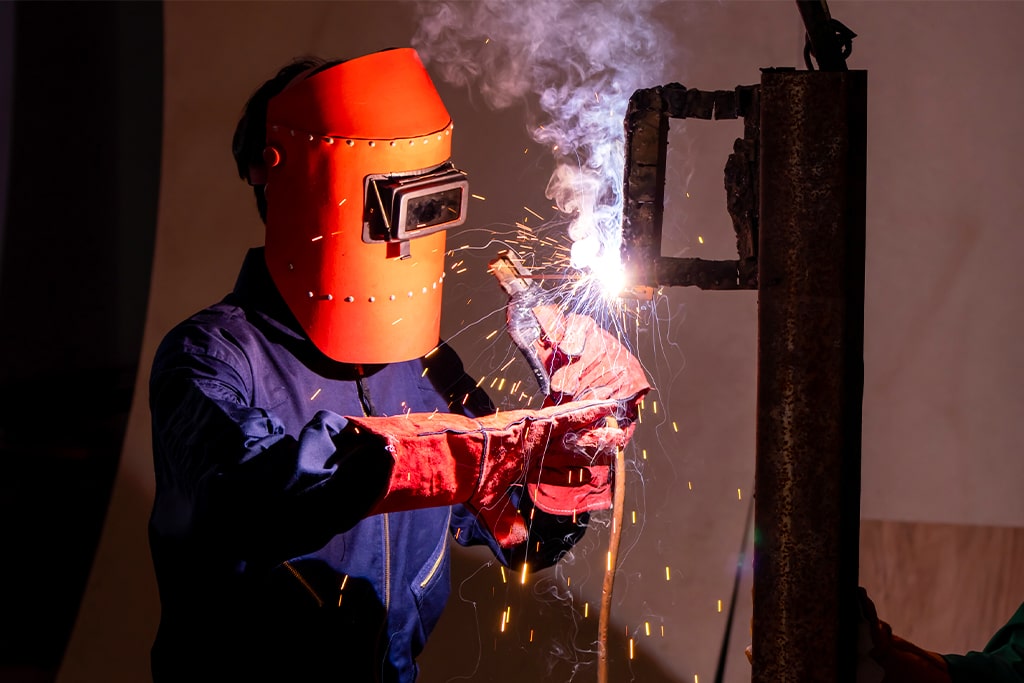
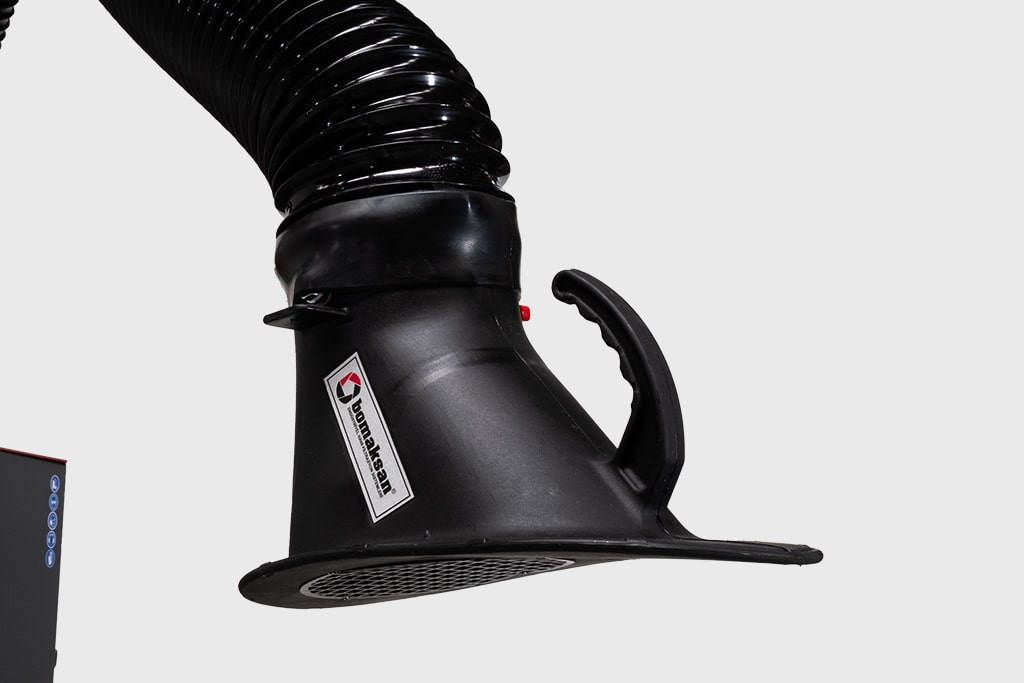
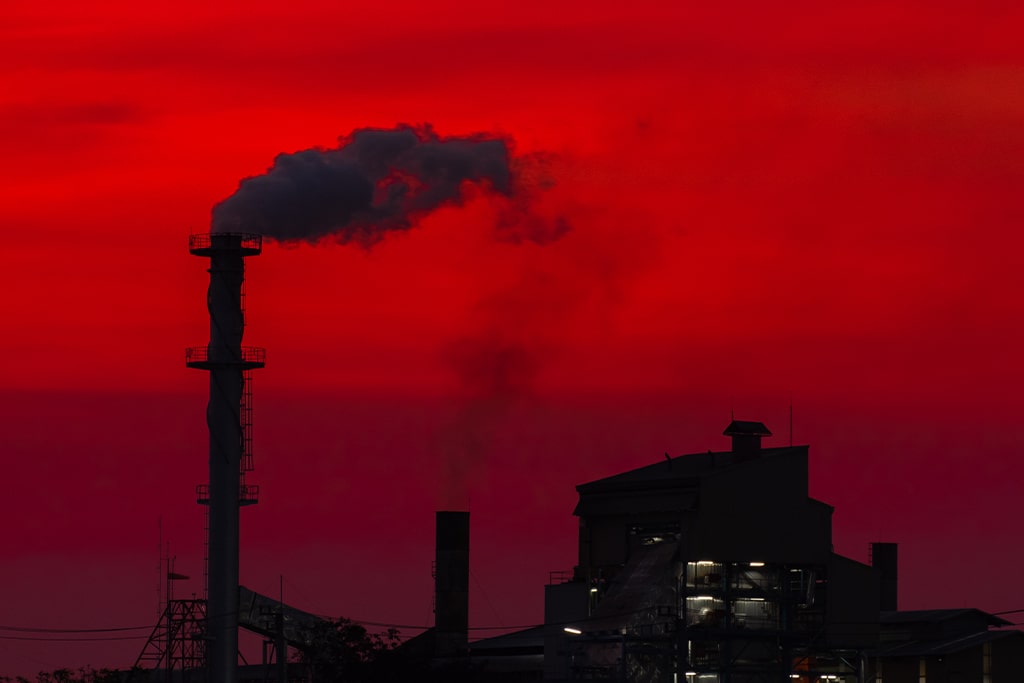
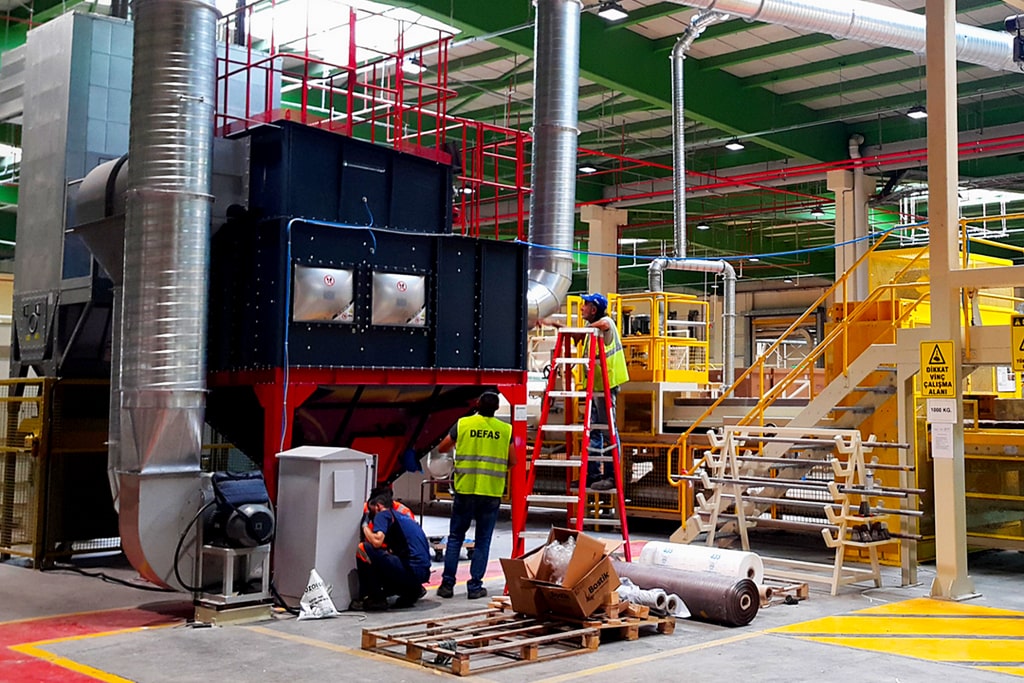
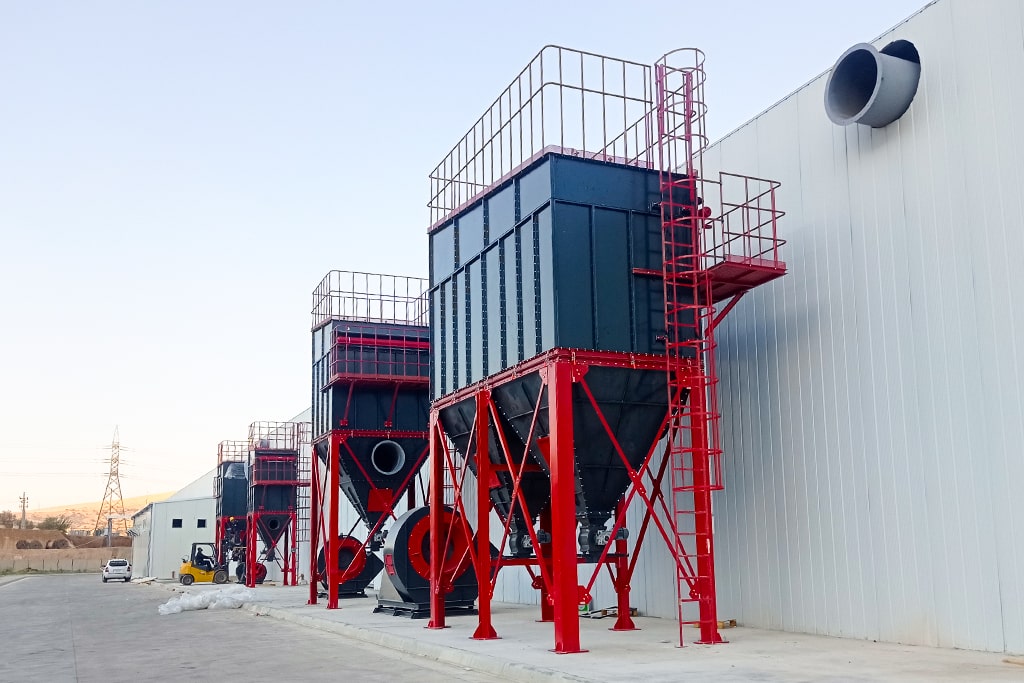
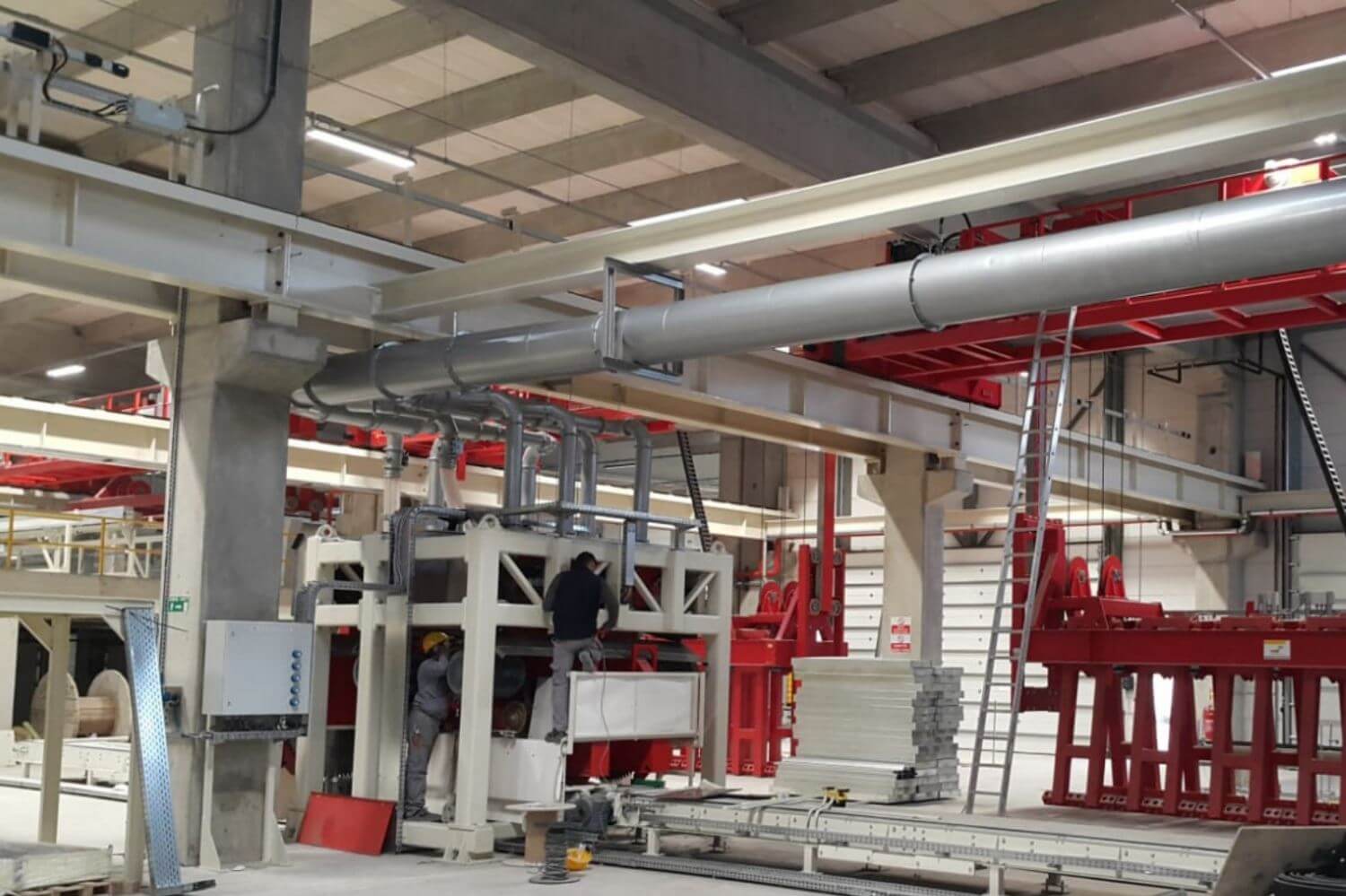
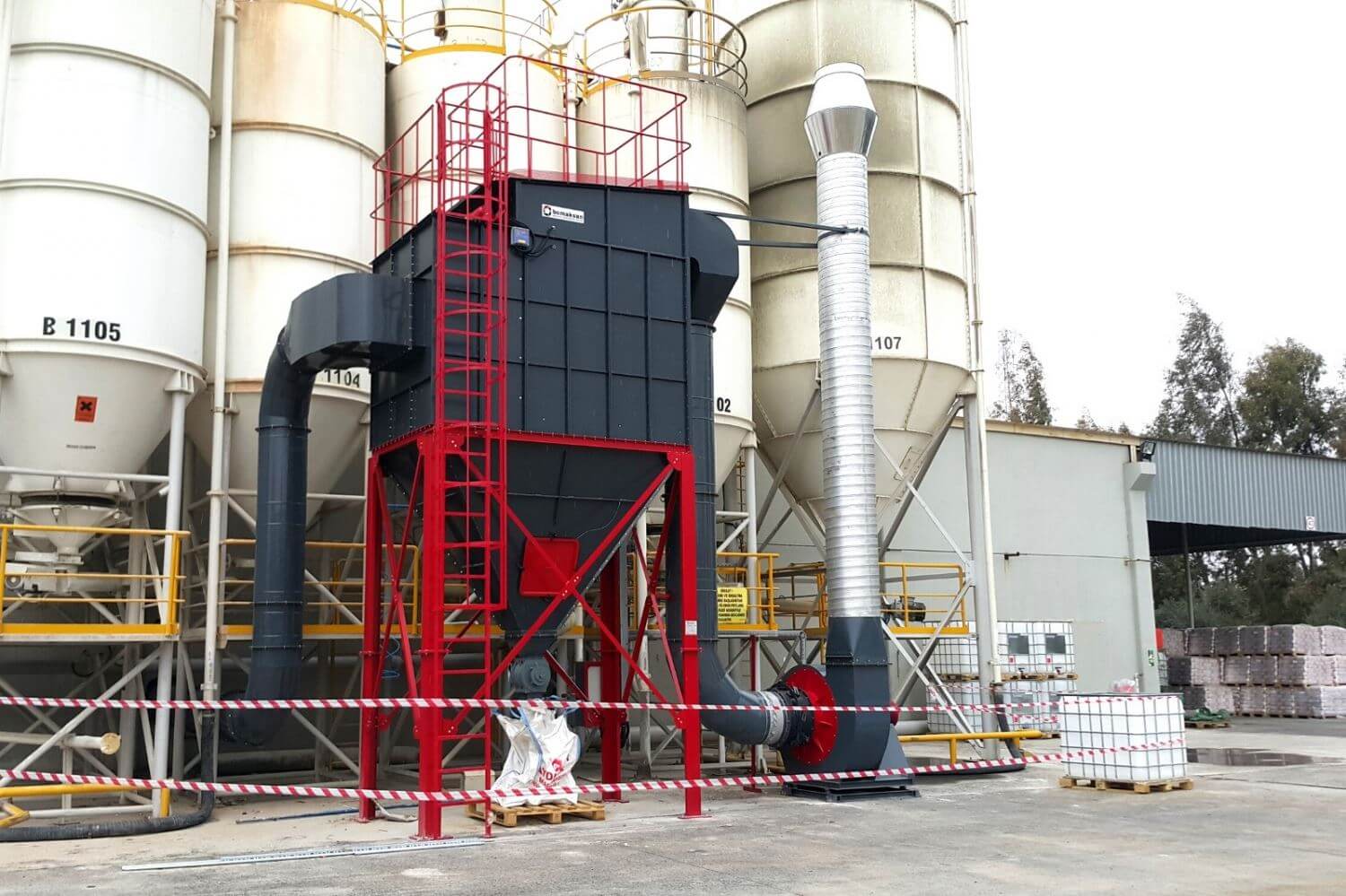
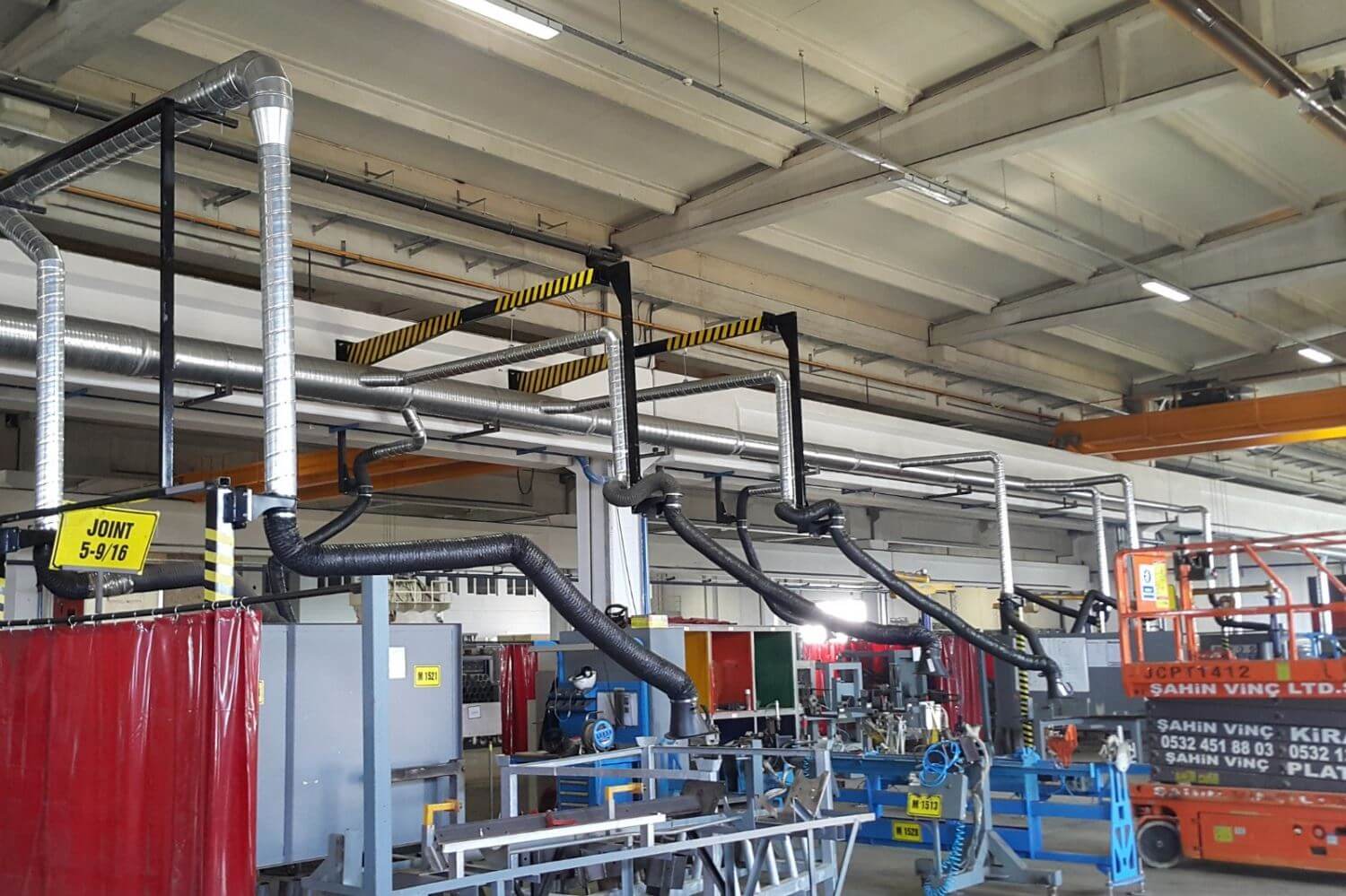
In thermal cutting processes, the generation of metal fumes, gases, and dust presents significant risks. These airborne particles pose risks not only to machinery but also to the health and safety of the workforce. Implementing an effective filtration system is essential for several critical reasons:
Bulk Material Handling Dedusting
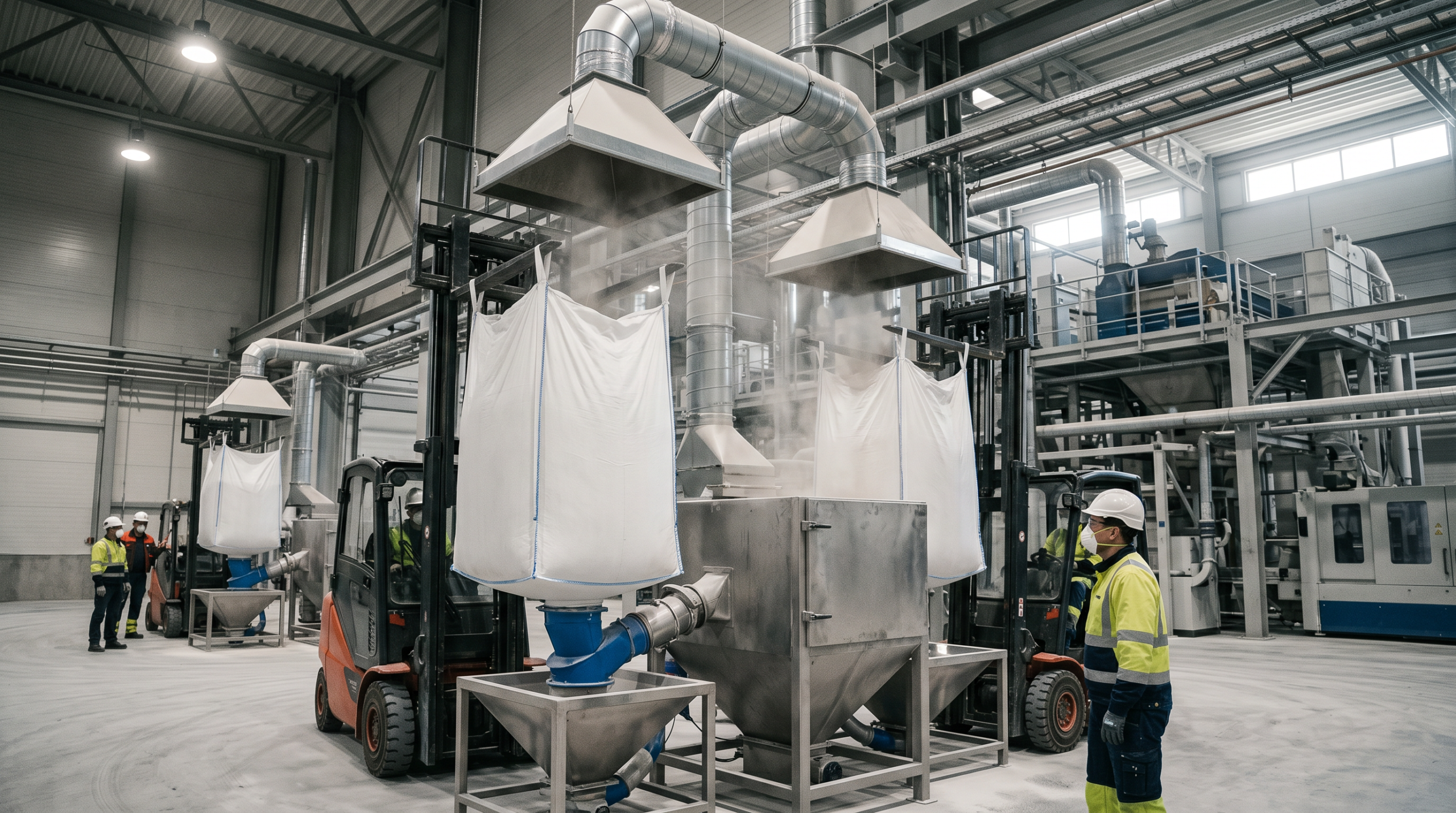
HOW CONTAMINATION ARISES IN BULK MATERIAL HANDLING PROCESSES?
1. Material Unloading and Loading:
Truck and Wagon Unloading: Transferring bulk materials from trucks or wagons to storage areas can create significant dust clouds, especially with fine powders or dry materials.
Conveyor Loading and Discharging: As materials are transferred to conveyors or silos, particles are released into the air due to impact and friction during the process.
2. Conveying and Transporting:
Belt Conveyors and Screw Conveyors: Friction between the material and the conveyor belt or screw can release dust. Open conveyor systems are particularly prone to airborne dust dispersion.
Pneumatic Conveying: Airborne particles can escape during the transfer of lightweight or fine materials through pipes and ducts, especially at bends or transfer points.
3. Crushing and Grinding:
Jaw Crushers, Hammer Mills, and Pulverizers: Breaking materials into smaller sizes generates dust, particularly in mining, quarrying, and cement industries.
Grinding Operations: Grinding materials into powders releases fine dust, which can become airborne easily in the absence of proper containment.
4. Screening and Sieving:
Vibrating Screens and Sieves: Dust particles are released when materials are separated based on size. This process is often used in food processing, pharmaceuticals, and mineral industries.
5. Mixing and Blending
Rotary Mixers and Agitators: Combining powders or fine particles can release dust into the air, particularly if dry materials are used.
Batch Mixing: During the addition of powdered components, dust can escape from mixing containers or hoppers.
6. Packaging and Bagging
Filling Bags, Drums, or Containers: Dust can escape during the filling and packaging of materials, especially powders, grains, or cement.
Weighing and Dosing Systems: Inaccurate material handling or spills during dosing can contribute to dust formation.
7. Material Storage and Transfer
Silo Filling and Discharging: Dust can be released during the filling or emptying of silos, especially if airflow control is not managed effectively.
Storage Bins and Hoppers: Movement or settling of materials within storage containers can generate dust over time.
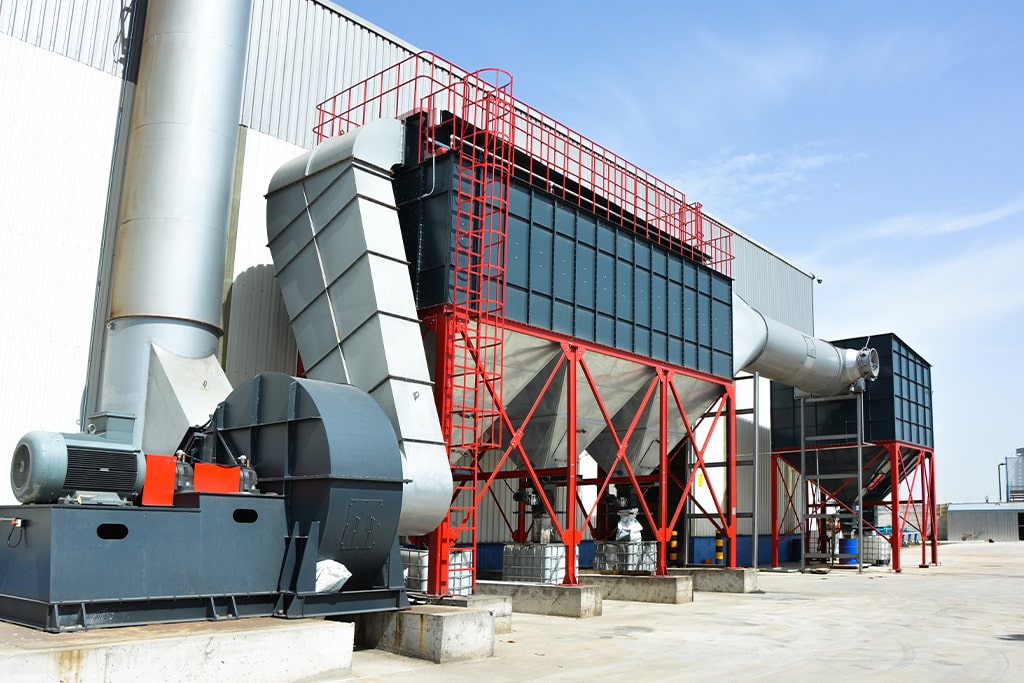
Dust formation is inevitable in bulk material handling processes, but it can be managed effectively with appropriate dust collection systems. Bomaksan specializes in providing filtration and air purification solutions tailored to the specific dust challenges in industries such as food, pharmaceuticals, mining, and manufacturing. Identifying dust-generating processes allows for precise mitigation strategies, ensuring cleaner air and safer working conditions.
Proper containment and control at each dust-generating stage are crucial to improving operational efficiency and maintaining compliance with health and safety regulations.
WHY DO YOU NEED A FILTRATION SYSTEM
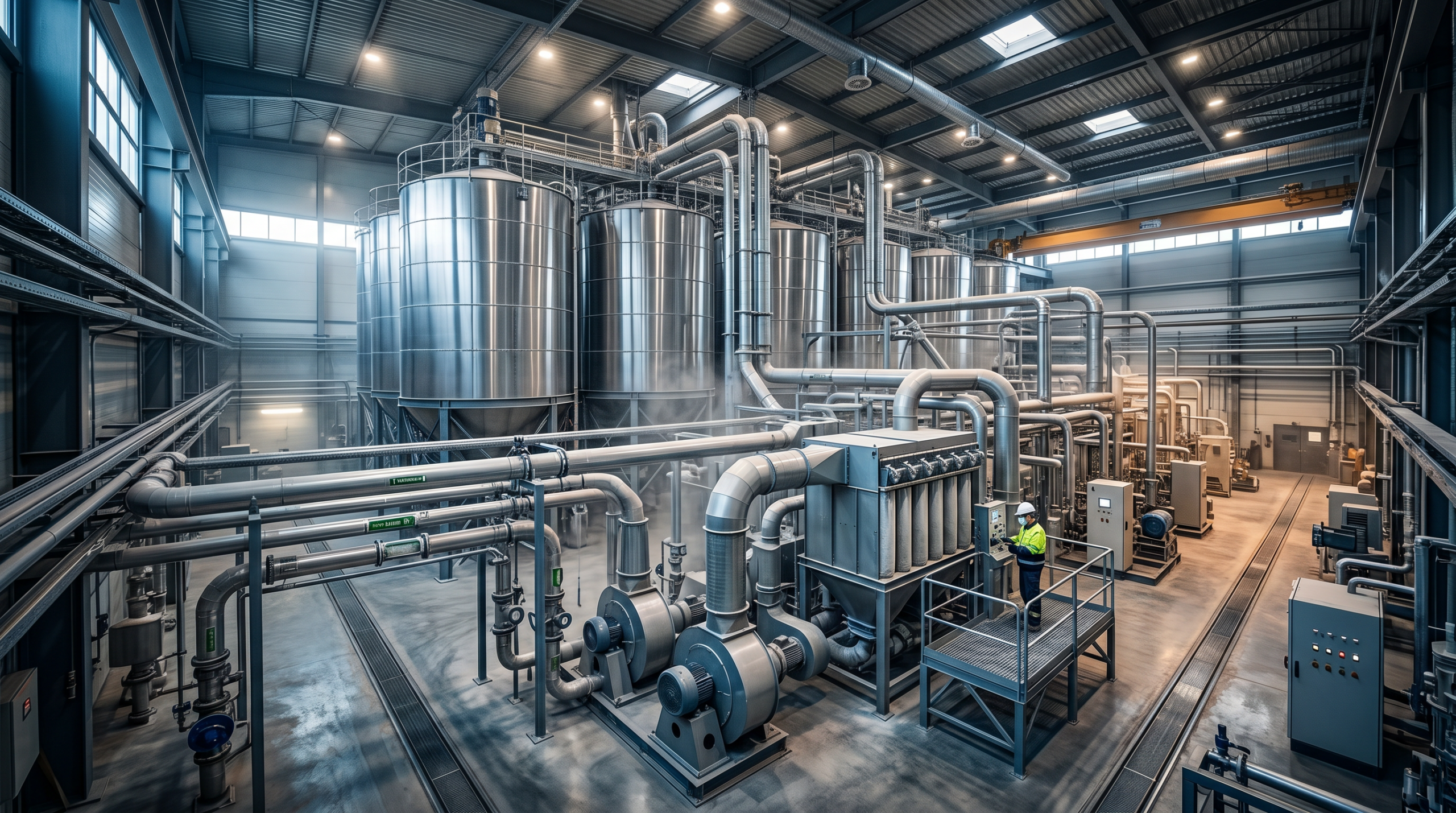
Bulk material handling involves the movement, storage, and processing of materials such as powders, granules, and other loose products. While essential in industries like manufacturing, food processing, pharmaceuticals, and mining, these operations often generate dust, fumes, and other airborne contaminants. Without an effective filtration system, these pollutants can negatively impact health, safety, equipment, and product quality. Below, we explore the critical reasons why a filtration system is essential in bulk material handling operations.
1. Protecting Employee Health and Safety
Dust and airborne particles released during bulk material handling can pose serious health risks to employees, leading to respiratory problems, allergic reactions, and long-term health issues. Filtration systems help:
Remove Hazardous Dust and Fumes: Capture fine particles and prevent exposure to harmful contaminants.
Ensure Compliance with Health Regulations: Meet workplace safety standards by maintaining clean air quality.
2. Maintaining Product Quality and Integrity
Cross-contamination is a significant concern when handling different materials, especially in food, pharmaceutical, and chemical industries. Dust and foreign particles can compromise product quality, leading to waste and customer dissatisfaction. Filtration systems:
Ensure Clean Handling Environments: Minimize contamination risks during transport, mixing, and storage.
Maintain Product Consistency: Prevent impurities from affecting material properties.
3. Increasing Equipment Longevity and Reducing Downtime
Dust accumulation on machinery and equipment can cause operational inefficiencies and premature wear, resulting in costly repairs and downtime. A filtration system:
Prevents Dust Build-Up on Equipment: Keeps conveyors, mixers, and storage systems running smoothly.
Reduces Maintenance Costs: Minimizes the need for frequent repairs by preventing contamination-related failures.
4. Energy Efficiency and Cost Savings
Dust and blockages in material handling equipment, such as conveyors and ducts, can reduce airflow efficiency and increase energy consumption. With a filtration system:
Optimize Airflow and System Performance: Prevent blockages and maintain operational efficiency.
Lower Energy Costs: Ensure equipment runs smoothly, reducing power consumption.
5. Ensuring Compliance with Industry Regulations
Strict environmental and workplace safety regulations govern dust emissions and air quality, particularly in industries that handle hazardous or fine materials. Non-compliance can result in penalties, operational shutdowns, and reputational damage. Filtration systems:
Ensure Regulatory Compliance: Capture dust and emissions in accordance with national and international standards.
Facilitate Audit Preparedness: Provide documentation and monitoring data during inspections.
6. Creating a Safe and Comfortable Working Environment
Poor air quality can affect employee morale, productivity, and retention. Dust, fumes, and odors make it uncomfortable for workers, leading to higher absenteeism and reduced efficiency. Filtration systems:
Improve Workplace Air Quality: Eliminate airborne pollutants to create a safer and more comfortable environment.
Boost Employee Satisfaction: Ensure employees work in clean conditions, enhancing morale and productivity.
7. Reducing Environmental Impact and Promoting Sustainability
Many industries are focused on reducing their environmental footprint, and controlling emissions is a critical part of that effort. A robust filtration system helps:
Limit Dust Emissions: Capture pollutants before they escape into the environment.
Support Green Initiatives: Contribute to sustainable practices by ensuring clean and responsible operations.
8. Addressing Industry-Specific Challenges in Bulk Material Handling
Different industries face unique challenges in bulk material handling, from managing explosive dust in grain processing to capturing fine powder in chemical production. Bomaksan offers customized filtration solutions designed to meet these specific needs:
Custom-Designed Filtration Systems: Tailored to handle your industry’s specific materials and processes.
Scalable Solutions: Adaptable to your business growth and regulatory changes.
In bulk material handling, an effective filtration system is crucial for ensuring employee health, maintaining product quality, protecting equipment, and achieving regulatory compliance. Investing in a reliable filtration system also reduces costs, improves energy efficiency, and supports sustainability goals.
Bomaksan specializes in designing and implementing filtration systems tailored to the unique needs of bulk material handling operations. Our solutions help companies operate efficiently, safely, and sustainably while meeting the highest industry standards. Contact us today to explore how we can enhance your air quality and material handling processe
CHOOSING THE RIGHT FILTRATION SYSTEM FOR BULK MATERIAL HANDLING PROCESS
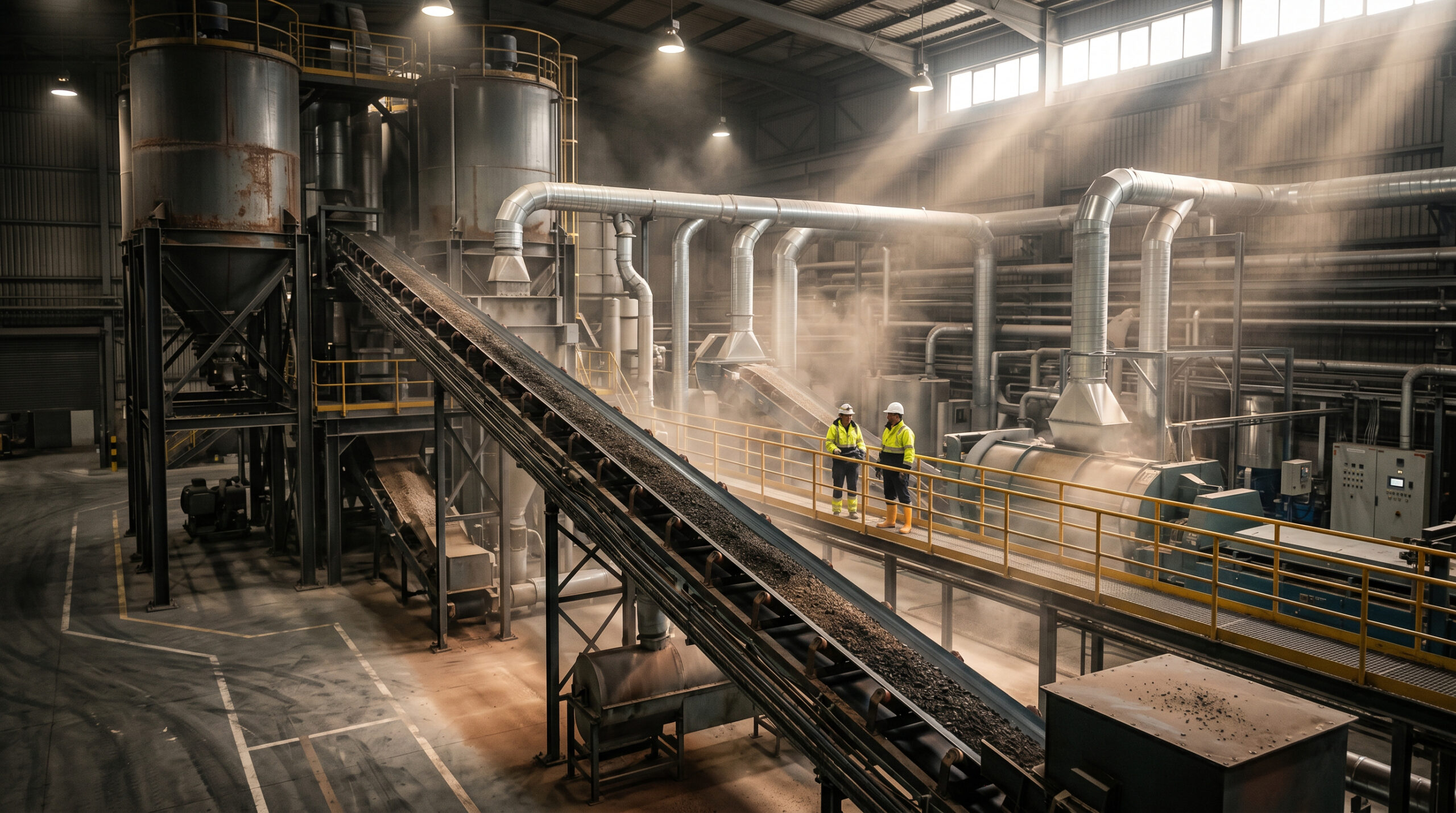
Selecting the appropriate filtration system for bulk material handling processes is essential to maintain a clean, safe, and efficient working environment. The right system not only protects employees’ health but also ensures product quality, enhances equipment performance, and guarantees regulatory compliance. However, with a variety of materials and operational challenges, finding the optimal solution can be complex. In this article, we outline the key factors to consider when choosing the right filtration system for your bulk material handling operations.
1. Understand the Nature of the Material
Different materials pose different challenges in terms of dust and emissions. Identifying the properties of the material you handle is the first step toward selecting the right filtration solution. Key considerations include:
Particle Size: Fine powders may require high-efficiency particulate air filters, while coarser particles can be managed with standard filters.
Moisture Content: Wet or sticky materials may clog filters and require specialized systems such as pulse-jet cleaning or pre-separation.
Material Hazards: Explosive, corrosive, or toxic materials demand advanced filtration solutions with explosion-proof components or chemical-resistant materials.
2. Analyze the Process Stages Generating Dust
Each stage in the bulk material handling process can generate dust and requires appropriate control measures. Identifying where dust is produced helps determine the type and placement of filtration systems. Critical areas include:
Material Loading and Unloading Points: Filters placed at conveyors, silos, and hoppers can capture dust at the source.
Mixing and Grinding Operations: Localized filtration systems such as dust hoods or enclosures help contain dust during mechanical processes.
Packaging and Bagging: Systems designed for packaging areas prevent the escape of fine powders into the workspace.
3. Consider Airflow Requirements and System Capacity
A successful filtration system must handle the required airflow to capture contaminants effectively. Key factors to consider include:
Air Volume: Calculate the cubic meters of air required to capture dust from each source point.
System Capacity: Ensure the filtration unit can handle peak loads without performance degradation.
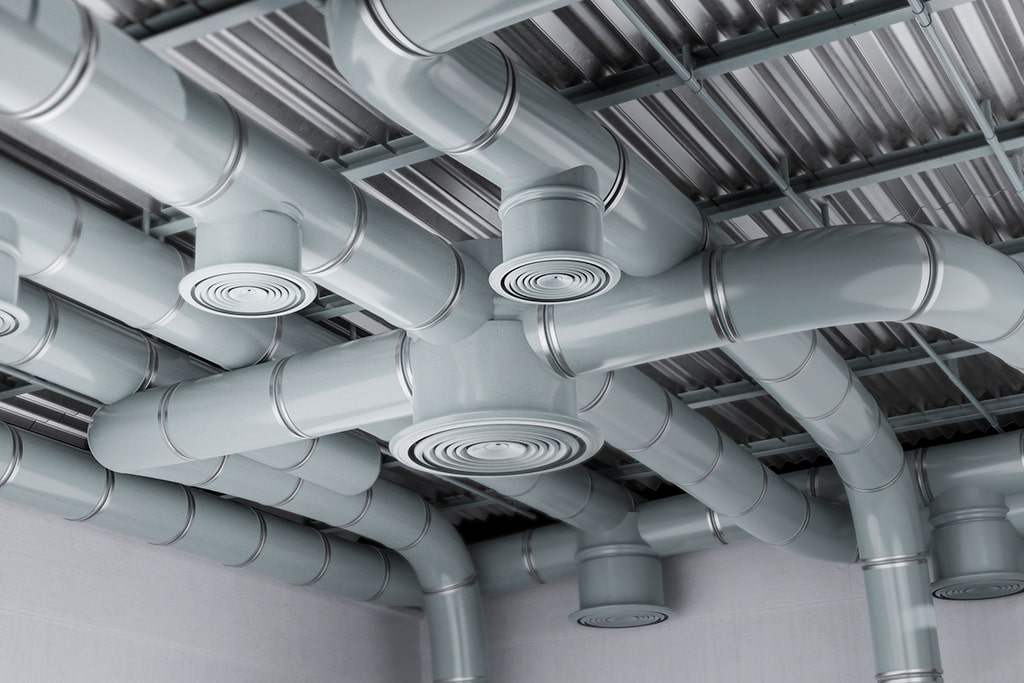
Air Distribution: In multi-point handling processes, a well-planned ductwork system ensures even airflow across the facility.
4. Evaluate Filter Types and Efficiency Levels
Different filter types offer varying levels of efficiency and are suited for specific applications. When choosing filters, consider the following:
Cartridge Filters: Ideal for fine powders and smaller particles, commonly used in chemical and pharmaceutical industries.
Bag Filters: Suitable for large dust volumes and abrasive materials, often used in cement, mining, and grain handling.
HEPA and ULPA Filters: Necessary for environments requiring ultra-clean air, such as food processing and pharmaceuticals.
5. Ensure Compliance with Regulatory Standards
Filtration systems must align with industry regulations and environmental standards to avoid penalties and ensure safe operations. Compliance considerations include:
Emission Limits: Verify that the system meets local and international emission regulations.
Explosion Protection: For combustible dust, ensure the system complies with ATEX or NFPA standards.
Worker Safety Standards: Ensure filtration systems maintain air quality in compliance with OSHA or other occupational safety guidelines.
6. Plan for Maintenance and Operational Costs
Operational efficiency depends on regular maintenance and the cost-effectiveness of the filtration system. When selecting a system, consider:
Ease of Maintenance: Systems with accessible filter units and automated cleaning reduce downtime and labor costs.
Filter Replacement Costs: Assess the lifespan and availability of replacement filters to minimize ongoing expenses.
Energy Efficiency: Choose systems with optimized airflow and minimal power consumption to reduce operating costs.
7. Tailor Solutions to Your Specific Industry Needs
Each industry has unique challenges and requirements in bulk material handling. A filtration system should be customized to meet these demands:
Food and Beverage Industry: Systems must be designed to prevent cross-contamination and meet hygiene standards.
Chemical and Pharmaceutical Industry: Requires advanced filtration to capture fine powders and hazardous fumes.
Mining and Construction: Durable systems are necessary to handle abrasive dust and large material volumes.
Selecting the right filtration system for bulk material handling operations requires careful evaluation of the material properties, process stages, filter types, and compliance needs. A well-chosen filtration system ensures employee safety, maintains product quality, extends equipment life, and reduces operational costs.
At Bomaksan, we offer industry-specific filtration solutions tailored to meet your unique bulk material handling requirements. Our expert team works with you to design and implement systems that align with your operational goals and regulatory obligations. Contact us today to discover how we can help optimize your material handling processes with the right filtration solutions.
Are you looking for a solution?
Bomaksan Clean Air Experts are here for you. Fill the request form now, get one step closer to the solution.
SEND A QUOTE