Machining

Machining

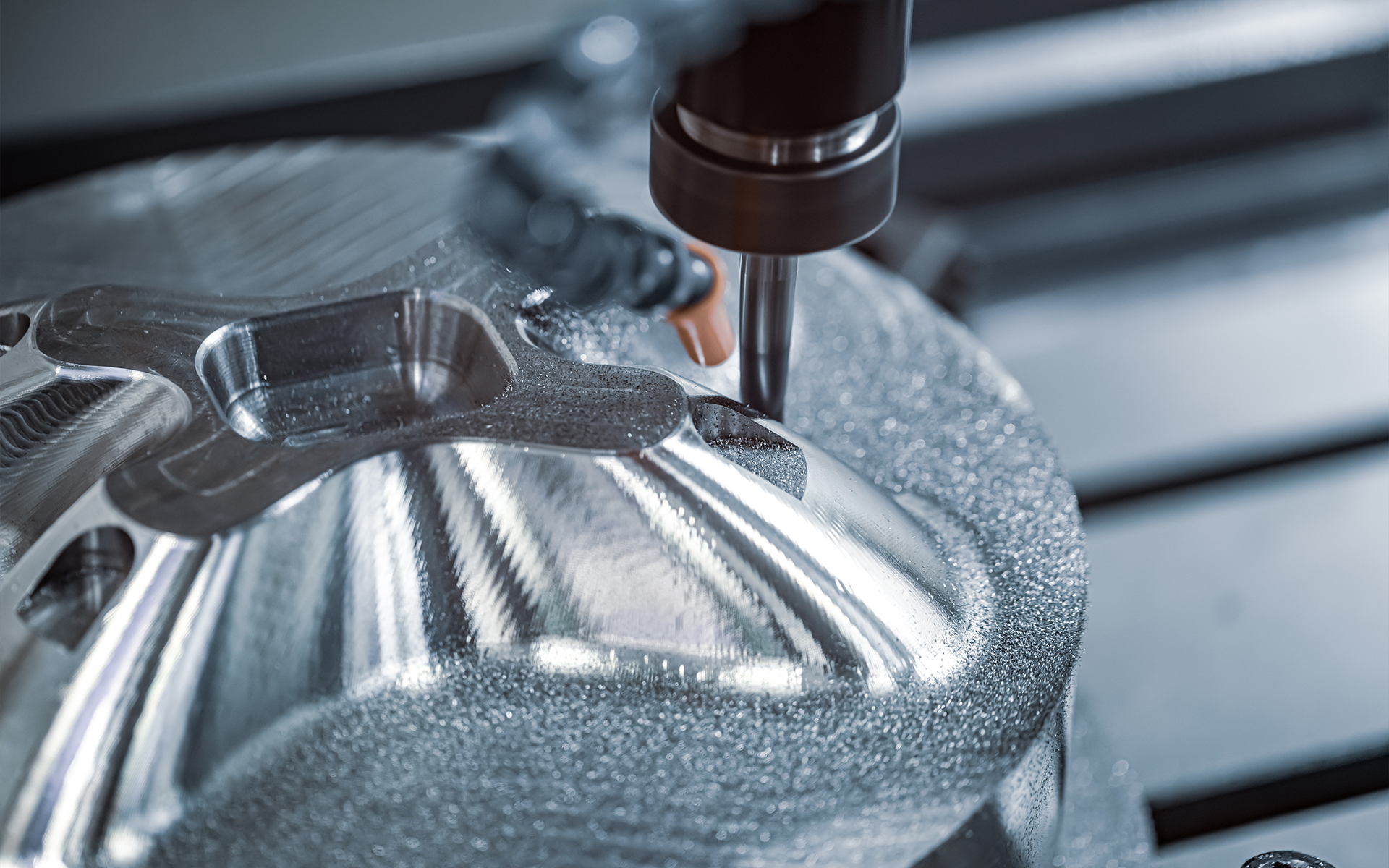
HOW CONTAMINATION ARISES IN CNC MACHINING PROCESS ?

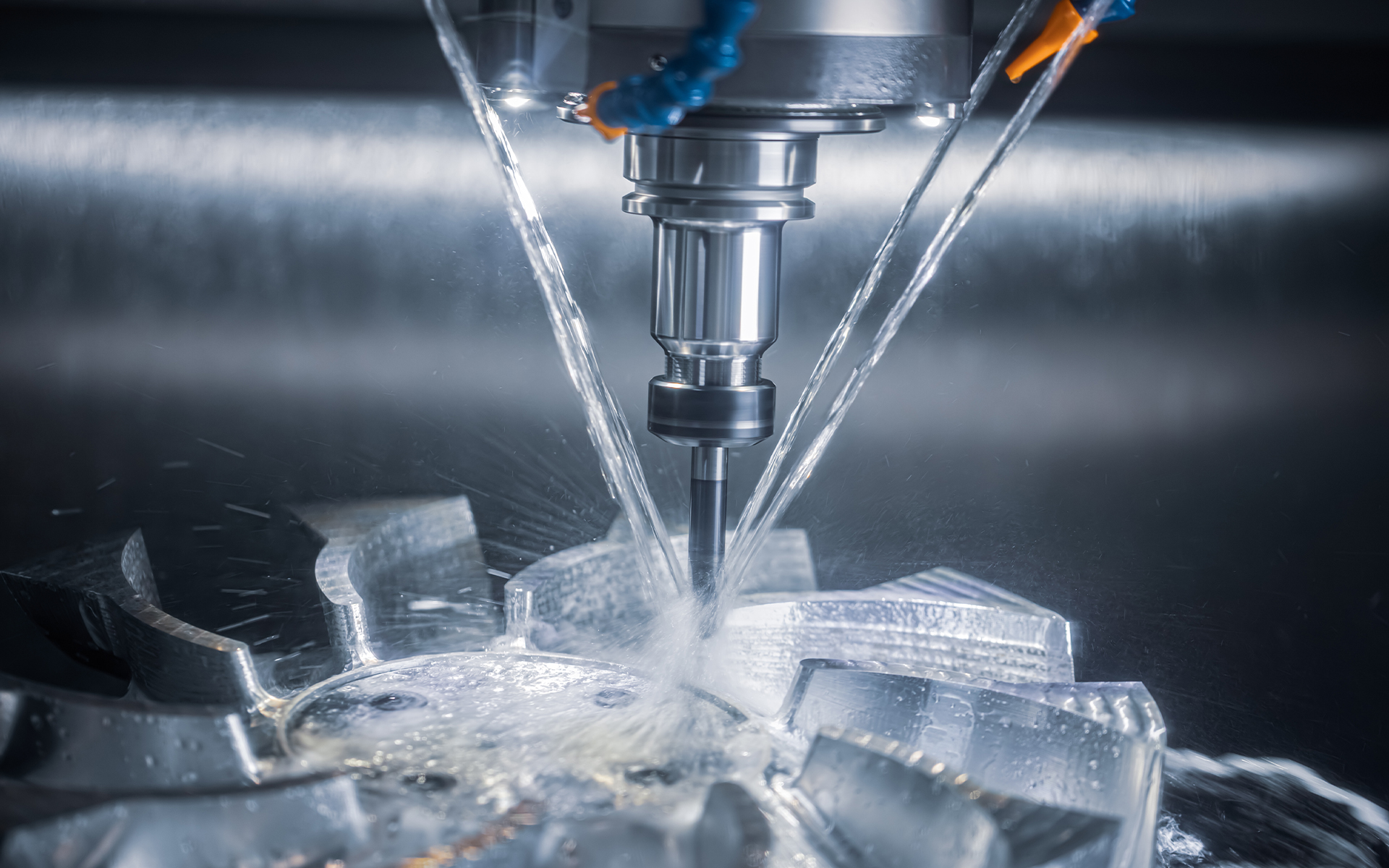
During the machining process, the lathe can operate at very high speeds. When it makes contact with the workpiece, heat is generated. To maintain the material’s temperature within the desired range, cooling or lubricating oil is used. These oils dissipate heat from the material to help regulate its temperature. However, during this process, the heated oil can evaporate or even burn, depending on the lathe’s speed and the type of oil used.

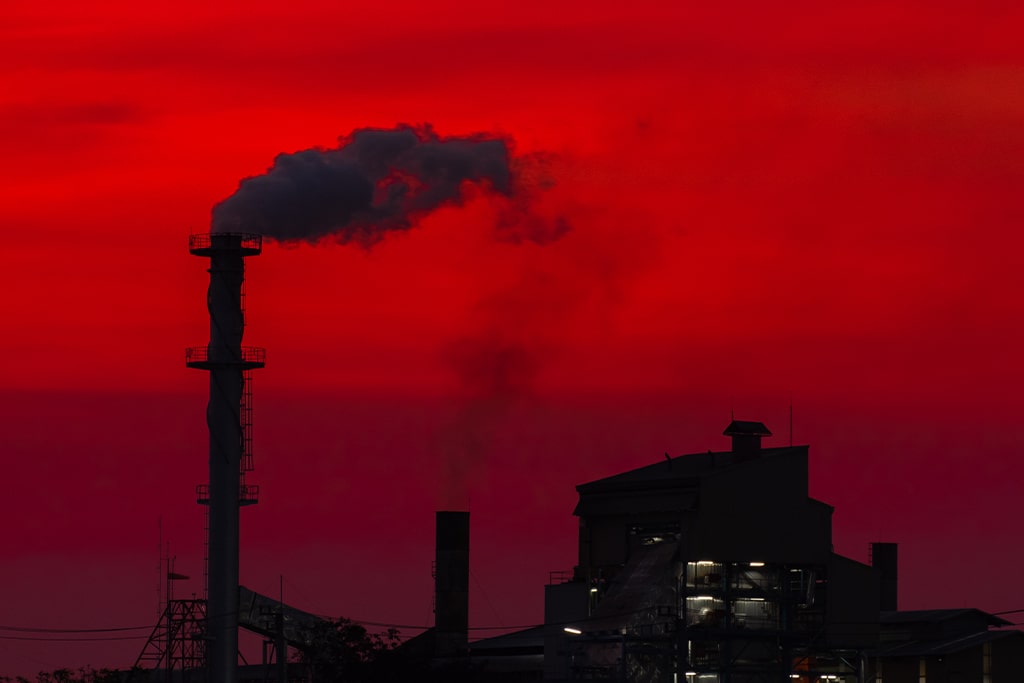
Oil Mist and Oil Smoke (Burnt Oil Smoke, Oil Smoke) refer to the vapor or fog released as a result of this evaporation or burning of various coolant and lubricating fluids used in machining process.

The release of oil mist and oil smoke is not influenced by the use of either neat oil or emulsions. What truly matters is the size and concentration of the particles. As spindle speed and coolant pressure increase, the particles become smaller, and their quantity rises.
WHY DO YOU NEED A FILTRATION SYSTEM ?

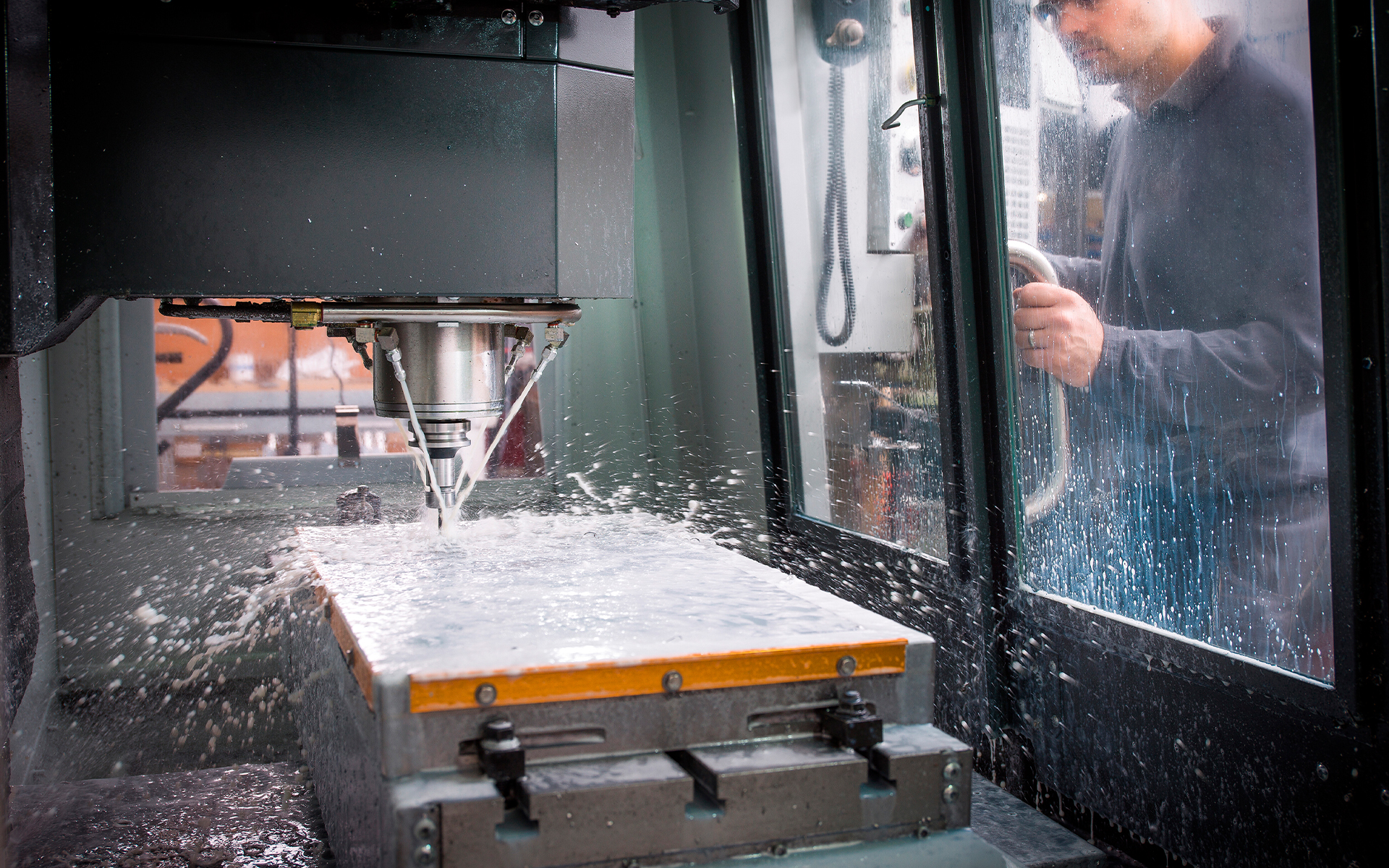
In machining operations, particularly high-speed processes, the production of oil mist and oil smoke becomes a significant concern. These airborne particles pose risks not only to the machinery but also to the health and safety of the workforce. Implementing an effective filtration system is essential for several critical reasons:

1. Employee Health and Safety

Oil mist and oil smoke contain fine particles that can easily enter the respiratory system. Long-term exposure to these contaminants can lead to respiratory problems, skin irritation, and other health issues. Moreover, high concentrations in the air can create hazardous work environments by increasing the risk of slip-and-fall accidents due to oily residues on surfaces. A filtration system ensures cleaner air, safeguarding employee health and maintaining safety standards.

2. Compliance with Environmental and Safety Regulations

Many industries are governed by strict regulations regarding air quality in workplaces. Failure to meet these standards can result in costly fines, legal issues, or even forced shutdowns. Installing a filtration system ensures that your facility remains compliant with local, national, and international occupational safety regulations.

3. Protecting Machinery and Equipment

Oil mist and smoke particles can accumulate on the internal components of machines, leading to wear, corrosion, and malfunctions. By filtering out these contaminants, a filtration system extends the lifespan of your equipment, reduces maintenance costs, and ensures uninterrupted operations.

4. Improved Productivity and Operational Efficiency

A clean environment directly correlates with enhanced productivity. Workers perform better in a healthy atmosphere, and properly maintained machines function more efficiently. With less downtime caused by equipment failures or health-related absences, your operation can maintain high productivity levels.

5. Energy Savings and Cost Reduction

Modern filtration systems are designed to operate efficiently, capturing contaminants without compromising airflow. By maintaining optimal air quality, these systems also prevent the overuse of HVAC systems, resulting in reduced energy consumption and operational costs in the long term.

6. Environmental Responsibility and Sustainability

Beyond workplace safety, oil mist and smoke can contribute to environmental pollution. Implementing a filtration system not only keeps your facility clean but also aligns your company with sustainable practices by minimizing emissions and waste.

In summary, investing in a proper filtration system is not just an operational necessity, it is a long-term strategy that protects your employees, equipment, and reputation. Cleaner air fosters a healthier workplace, reduces costs, ensures compliance, and positions your business as environmentally responsible in today’s competitive market.

CHOOSING THE RIGHT FILTRATION SYSTEM FOR YOUR PROCESS

Selecting an appropriate filtration system is crucial for both operational efficiency and workplace safety, especially in environments with oil mist and fumes generated during machining. Here’s what you should consider:

Particle Size and Filtration Efficiency: Use filters suited to capture submicron particles effectively. Ensure they meet industry standards like MERV ratings for optimal performance.

Coolant and Lubricant Type: Different fluids, such as petroleum-based oils or emulsions, produce varying types of vapors. Your filter should align with these properties.

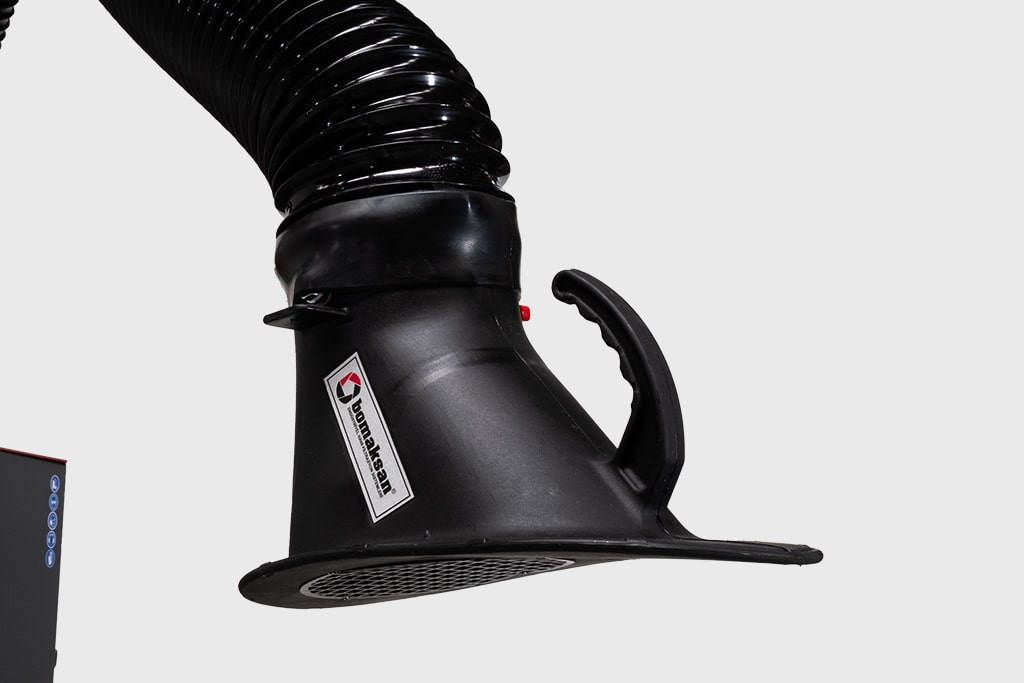
Energy Efficiency: Design the filtration system with optimal airflow and minimal power consumption by placing the extraction points near the source of the fumes.

Maintenance and Filter Longevity: Choose systems with easily replaceable filters to reduce downtime. Avoid clogging by using filter media appropriate for your production needs.

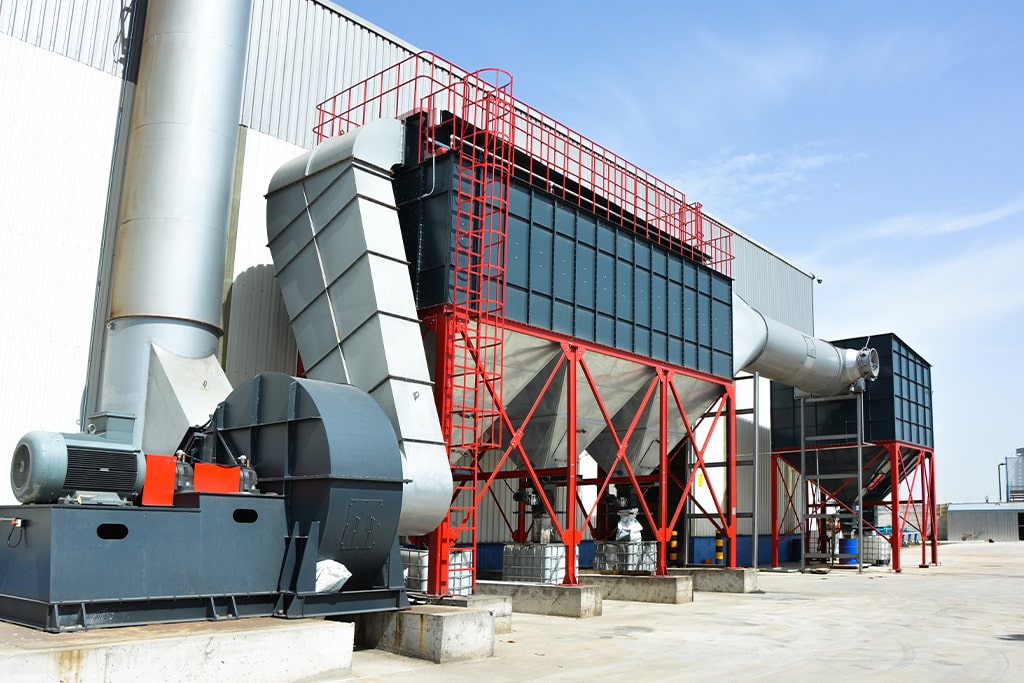
At Bomaksan, we understand that every operation has unique filtration needs. With over 35 years of experience, we offer customized solutions designed for optimal efficiency, safety, and sustainability. Our advanced filtration systems are engineered to meet industry standards while reducing energy consumption and maintenance costs. Bomaksan ensures your facility stays compliant and productive. Partner with us for expert guidance and high-quality products tailored to your business.

Cleaner Air, Better Outcomes—Get in Touch with Our Experts Now!

Complete the form today and take the first step towards optimized production with cleaner air!

+90 216 541 9334

sales@bomaksan.com

All Products All Applications