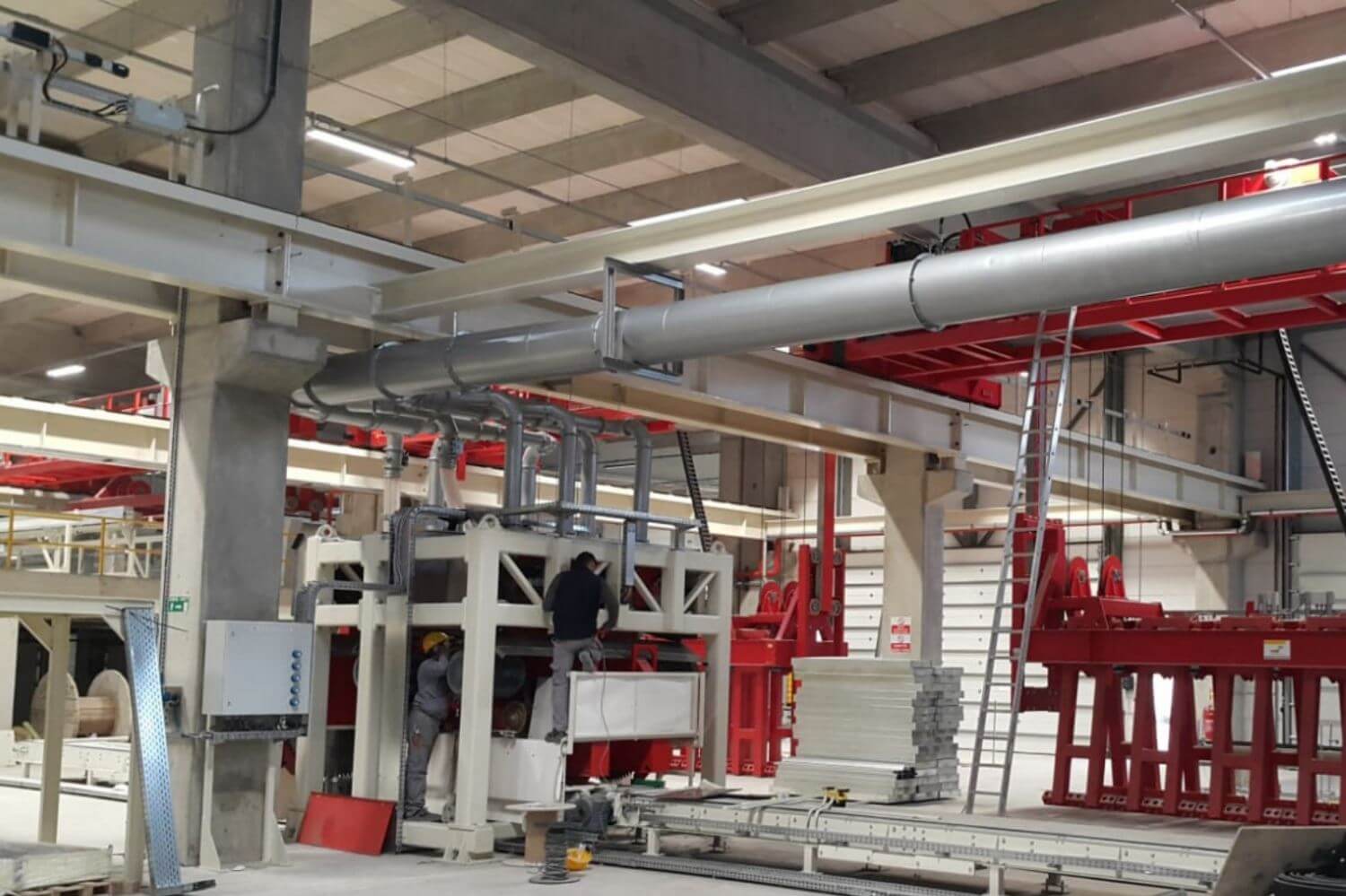
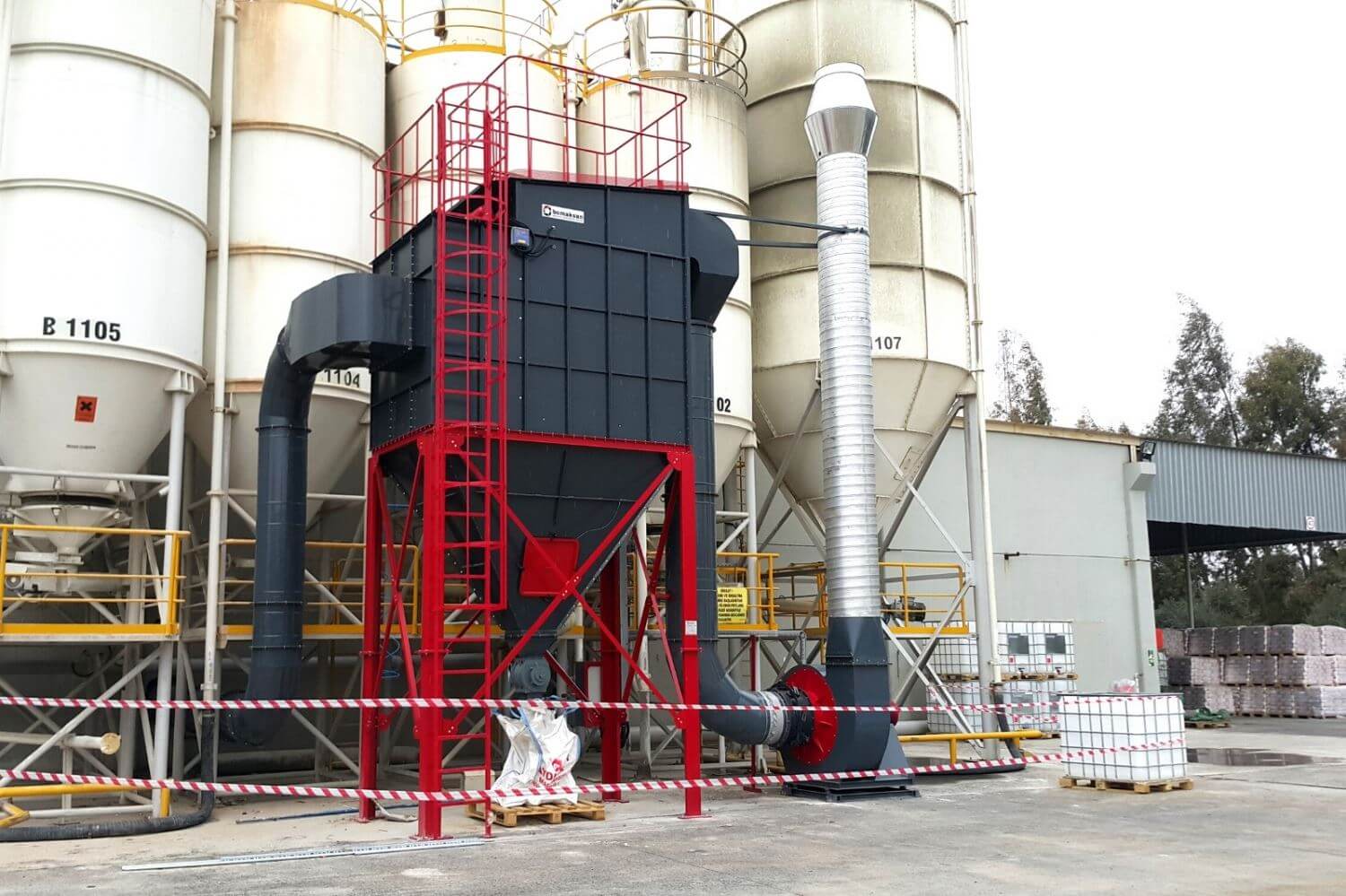
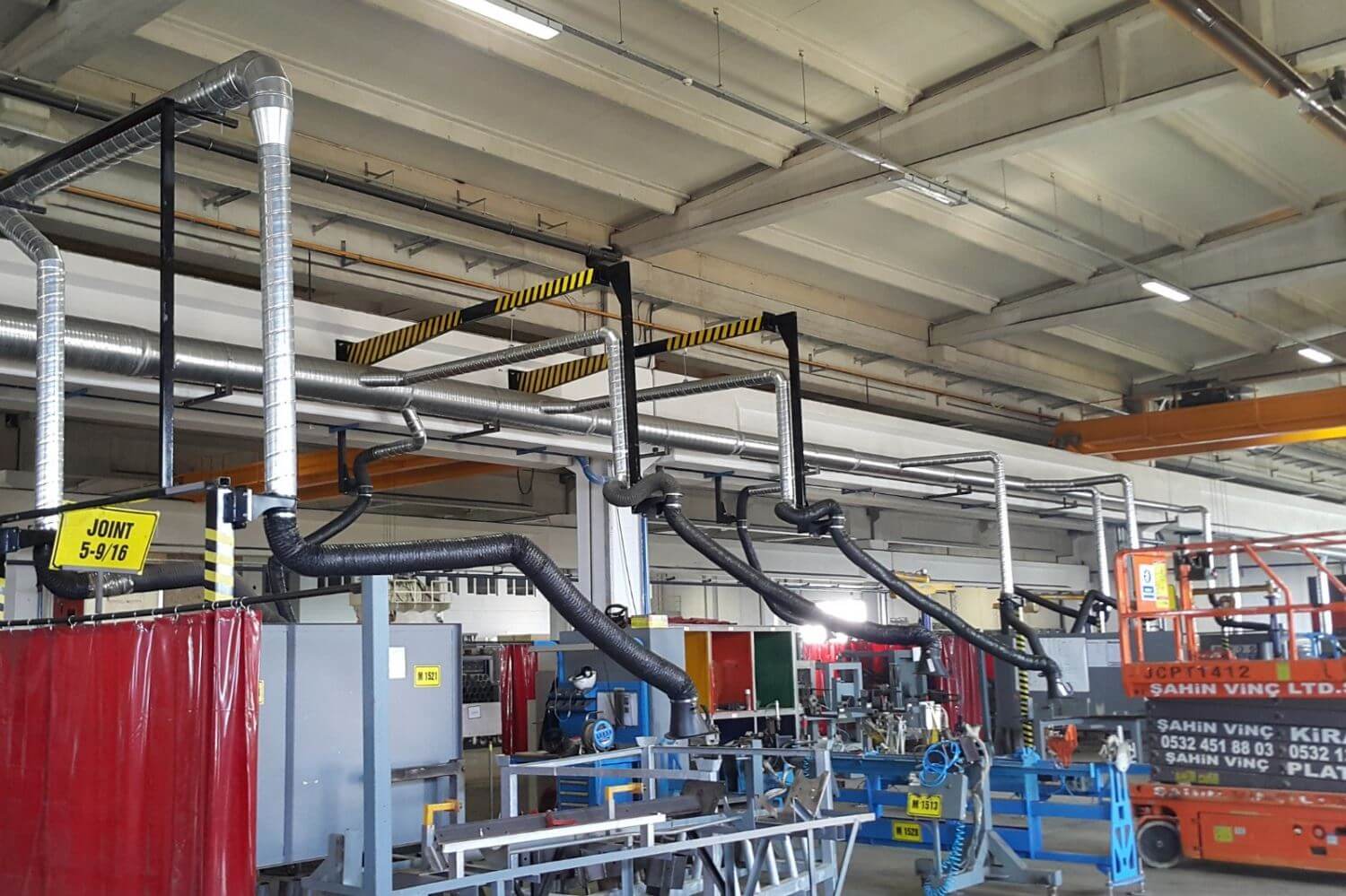
Managing combustible dust effectively is crucial for maintaining a safe, efficient, and legally compliant working environment. Failure to control dust hazards can have far-reaching consequences, impacting not only operational continuity but also the safety of employees and the financial health of the company. Below are key reasons why dust management should be a priority for any industrial facility.
SAFE AND COMPREHENSIVE COMBUSTIBLE DUST SOLUTION
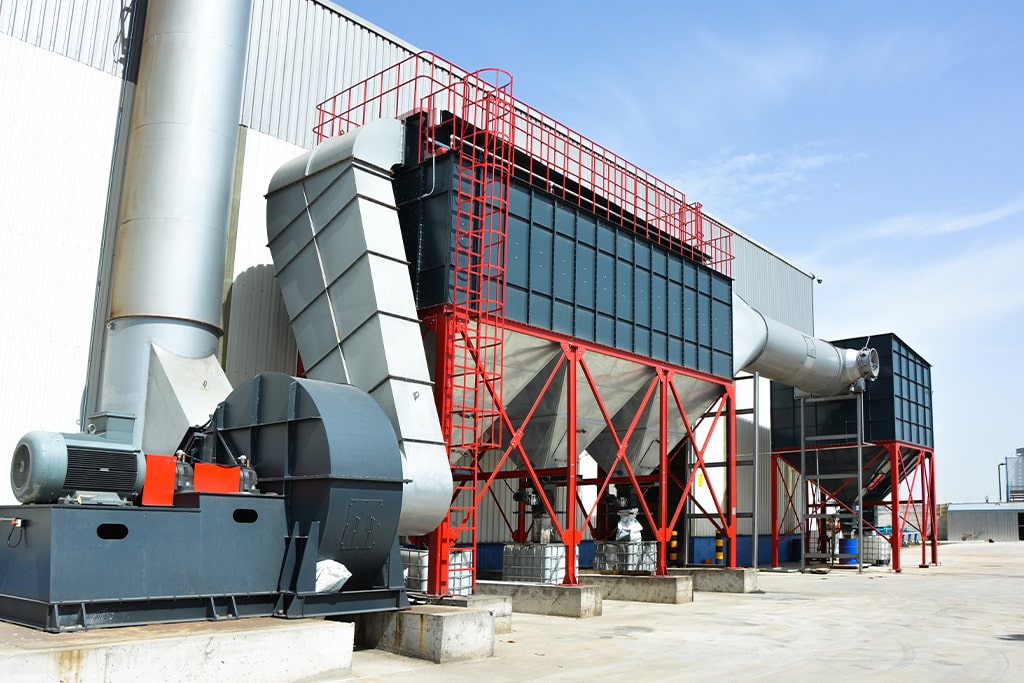
In industrial production environments, combustible dust is a critical hazard that can cause fires, explosions, and operational disruptions. The accumulation of combustible dust in confined spaces, ducts, or machinery poses serious risks that can lead to devastating consequences if not properly managed. At Bomaksan, we offer advanced dust collection and filtration systems designed to protect your business, employees, and facilities by mitigating these hazards efficiently and in full compliance with global safety standards.
WHAT IS COMBUSTIBLE DUST?
Combustible dust consists of finely divided solid particles from organic, metallic, or synthetic materials. When suspended in the air, these particles can react with oxygen, and in the presence of an ignition source, they may cause an explosion. The hazard is prevalent in several industries, including metalworking, chemical manufacturing, food processing, pharmaceutical production, and woodworking. The danger increases when dust settles on surfaces, inside equipment, or in ventilation systems, creating secondary explosion risks
WHY MANAGING COMBUSTIBLE DUST IS ESSENTIAL
1. Risk of Fires and Explosions
Combustible dust can ignite with the smallest spark or heat source, initiating dangerous chain reactions:
Primary Explosions: When dust suspended in the air reaches a certain concentration, it forms a combustible cloud that can ignite instantly. This is often triggered by sparks from tools, overheated machinery, or electrical faults.
Secondary Explosions: Settled dust on surfaces or machinery can be stirred up by the force of the primary explosion, creating secondary dust clouds. These explosions are often more devastating, spreading rapidly through facilities.
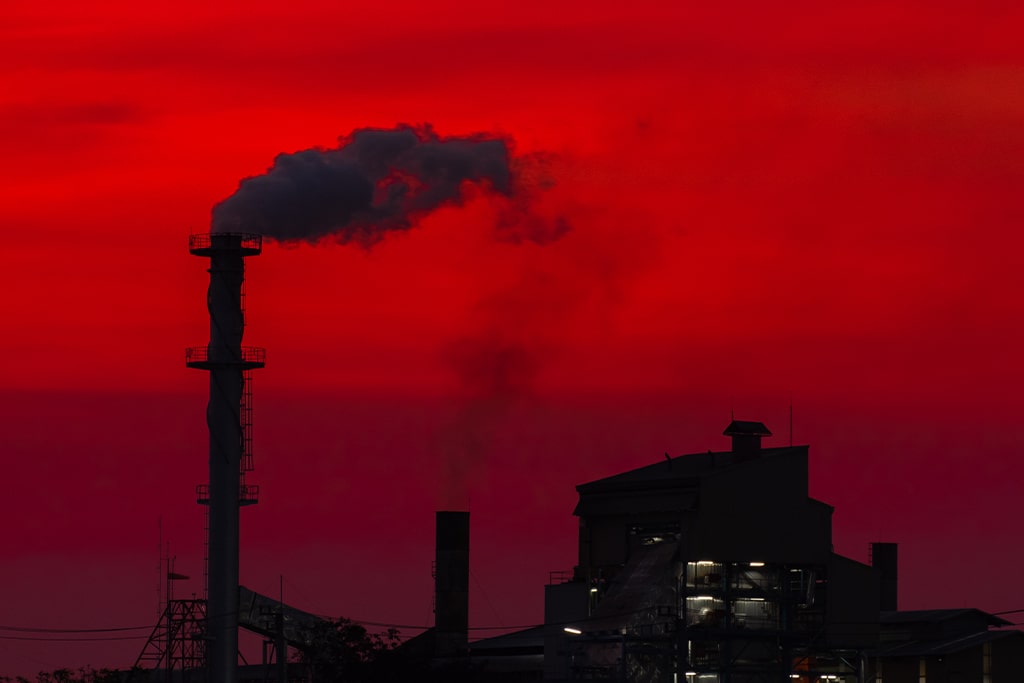
Case Studies: History has shown catastrophic explosions across industries-such as the Imperial Sugar Refinery disaster-leading to loss of lives and millions in damage.
2. Production Disruptions and Equipment Damage
Combustible dust not only poses explosion risks but can also lead to costly operational downtimes:
Machinery Contamination: Dust buildup inside equipment reduces performance and accelerates wear and tear, leading to frequent breakdowns.
Unplanned Downtime: When dust management systems fail, production must be halted to clean machinery or replace components.
Supply Chain Impact: Unscheduled downtime can disrupt the supply chain, delaying orders and affecting customer satisfaction.
3. Legal Compliance and Regulatory Obligations
Failure to manage combustible dust properly exposes companies to significant legal and financial risks:
ATEX and NFPA Compliance: Authorities such as the ATEX Directive (Europe) and NFPA 652 (USA) mandate strict dust management protocols. Regular inspections enforce compliance, and non-compliance can result in:
Heavy fines
Production shutdowns
Criminal liability in the event of incidents
Insurance Implications: Non-compliance can invalidate insurance policies, leaving companies exposed to lawsuits and compensation claims.
4. Worker Safety and Health Protection
Dust hazards are not just about explosion prolonged exposure to airborne dust poses significant health risks to employees:
Respiratory Diseases: Dust inhalation can cause chronic respiratory conditions such as pneumoconiosis, asthma, or bronchitis.
Exposure to Toxic Dusts: In certain industries (e.g., chemical or pharmaceutical), dust can contain toxic or reactive compounds, leading to acute or long-term health issues.
Reduced Air Quality: Poor air quality affects worker comfort and productivity, leading to absenteeism and reduced morale.
CHOOSING THE RIGHT FILTRATION SYSTEM FOR COMBUSTIBLE PROCESS
Selecting the appropriate filtration system for combustible processes is crucial to ensure safety, operational continuity, and regulatory compliance. These processes generate dust and emissions that pose fire, explosion, and health risks, demanding advanced filtration solutions tailored to each facility’s specific needs. Here are the key considerations for managing combustible dust effectively:
1. Particle Size and Filtration Efficiency:
Submicron Particles: Combustible dust often includes fine particles from metals, chemicals, food, or wood. These particles can remain airborne, forming explosive clouds or posing inhalation hazards.
High-Efficiency Filtration: Systems equipped with HEPA Class filters or nano-fiber filters are essential to capture even the smallest particles, ensuring clean air recirculation.
Custom Filtration Media: Different dust types-such as wood shavings, sugar dust, or metal fines-require specialized filter coatings to prevent clogging and maintain filter efficiency.
2. Material Type and Specific Emission Control:
Dust Diversity Across Industries: Each process releases unique dust types with distinct hazards.
Metalworking: Generates fine metal powders with potential for explosions.
Food Processing: Produces combustible organic dust, such as flour or starch.
Woodworking: Creates highly combustible wood dust and shavings.
Chemical Manufacturing: Involves toxic or reactive powders with health risks.
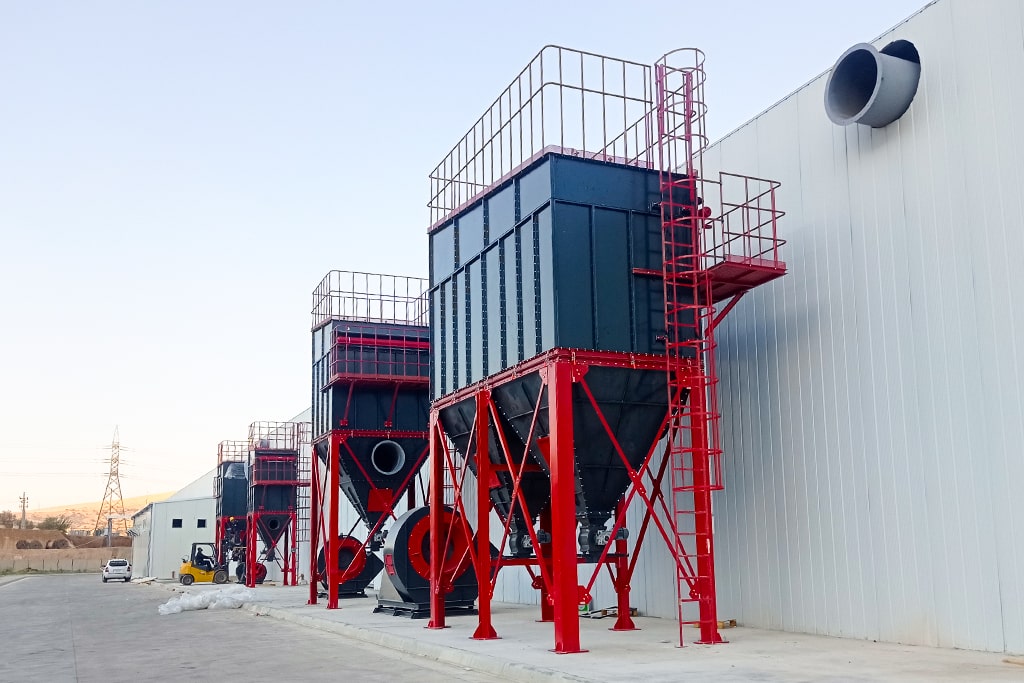
ATEX-Compliant Filtration Systems: Bomaksan designs systems compliant with ATEX regulations, ensuring safe operation even in the presence of hazardous dusts such as aluminum, titanium, magnesium, or organic powders.
3. Fire and Explosion Protection:
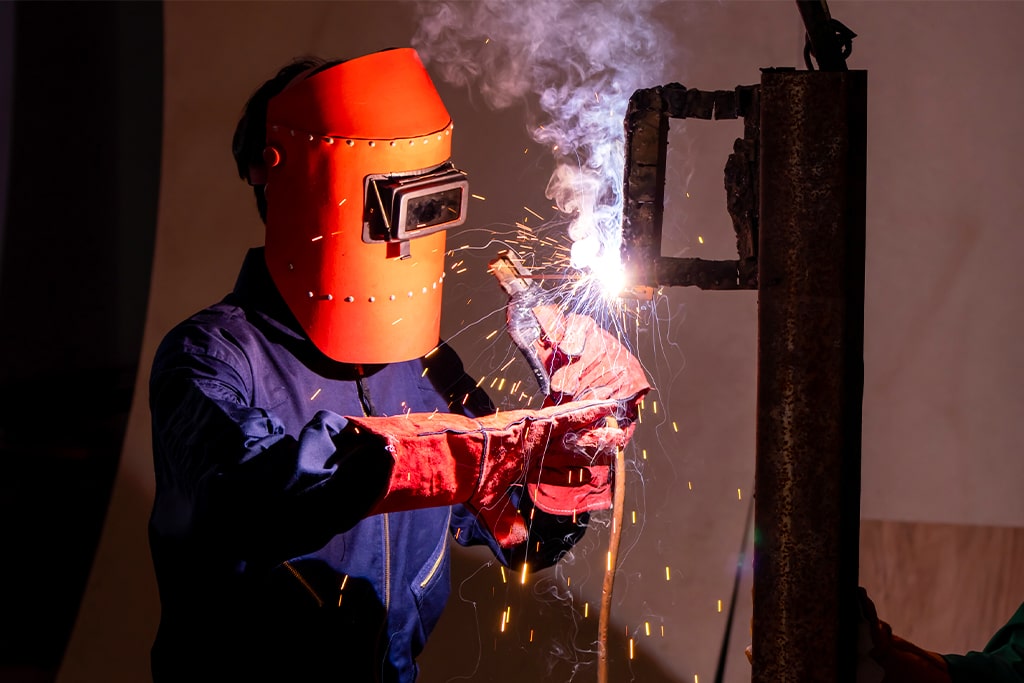
Spark Risks in Industrial Processes: Combustible dust can ignite from sparks generated by tools, machinery, or static electricity.
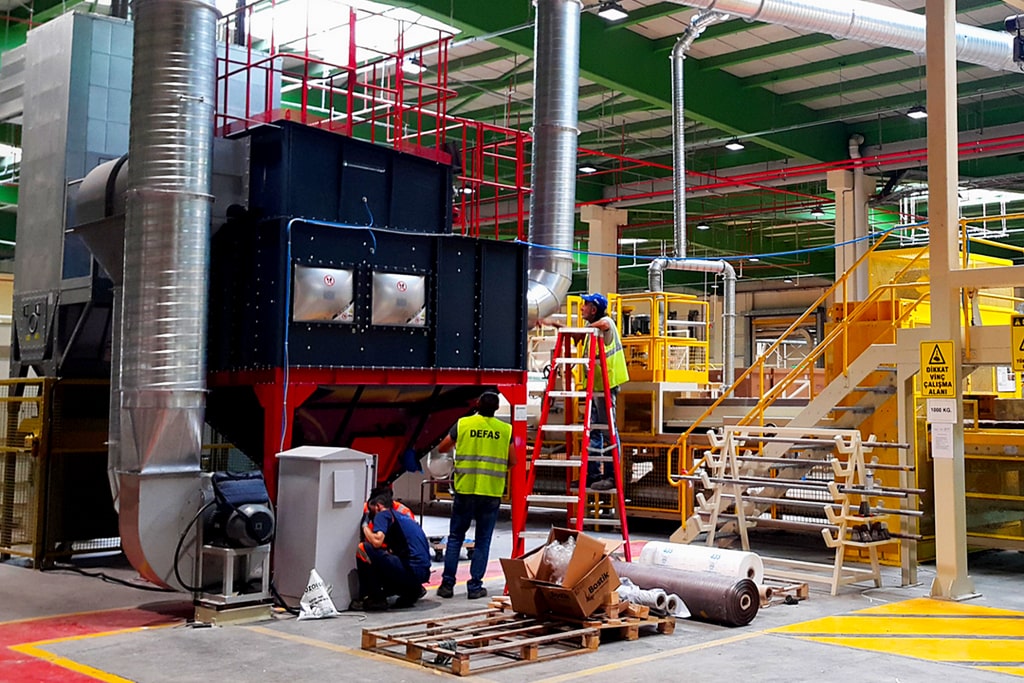
Integrated Fire Safety Measures: Bomaksan offers systems with spark arrestors, explosion venting panels, and fire suppression units to prevent incidents.
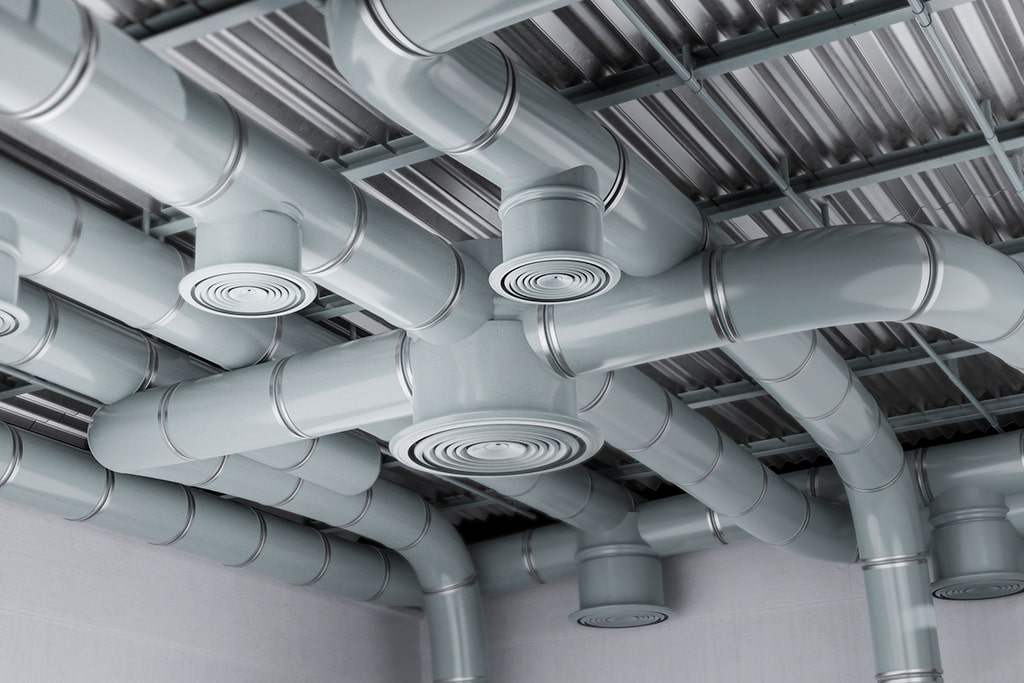
Explosion Isolation: To prevent explosions from spreading through ductwork, our systems can be equipped with explosion isolation valves and backflow prevention mechanisms.
Safe Handling of Explosive Dust Clouds: Our systems are designed to manage explosive dust environments safely, preventing accidents in processes involving metal powders, composite materials, or organic dusts.
4. Energy Efficiency:
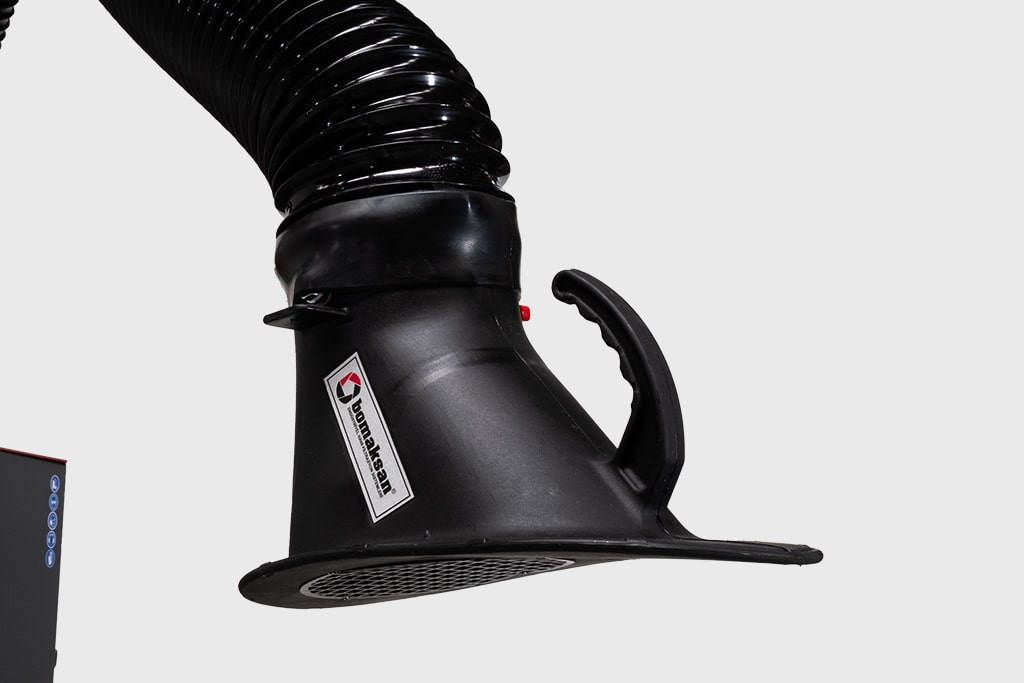
Local Exhaust Ventilation Systems: Properly designed Local Exhaust Ventilation (LEV) systems help target specific dust-emitting areas, minimizing energy consumption.
Smart Automation: Bomaksan integrates automation solutions to adjust airflow dynamically, optimizing energy usage during production peaks and low-demand periods.
Recirculation for Heat Recovery: Filtered air can be safely recirculated back into the workspace, supporting heat recovery and lowering heating costs in winter, further reducing operational expenses.
5. Maintenance and Filter Longevity:
Automated Filter Cleaning: Depending on process requirements, Bomaksan can design Jet-Pulse technology to ensure automatic filter cleaning without interrupting operations, maintaining peak performance at all times. Alternatively, the system can be configured to clean filters during downtime, reducing energy consumption.
Durable Filter Cartridge: Our systems utilize long-lasting filters designed to withstand abrasive or corrosive dust, minimizing maintenance frequency.
Minimized Downtime: Well-maintained filtration systems reduce the risk of unplanned downtime, ensuring operational continuity and improving productivity.
WHY CHOOSE BOMAKSAN FOR COMBUSTIBLE PROCESSES
With over 35 years of expertise in industrial air filtration, Bomaksan offers customized solutions for processes involving combustible dust. Our systems are designed to enhance safety, support regulatory compliance, and optimize energy use. Key benefits include:
Comprehensive Fire Safety: Compliance with ATEX and NFPA standards to mitigate explosion risks.
Energy Efficiency: Smart airflow management and heat recovery systems for reduced operational costs.
Regulatory Compliance: Full adherence to global and local safety regulations, ensuring hassle-free audits and inspections.
End-to-End Support: From consultation to installation, Bomaksan provides full project management to meet your specific needs.
Contact us today to learn how Bomaksan’s advanced filtration solutions can protect your business and ensure safe, efficient operations.
Are you looking for a solution?
Bomaksan Clean Air Experts are here for you. Fill the request form now, get one step closer to the solution.
SEND A QUOTE